
Last updated on September 7th, 2025 at 10:17 am
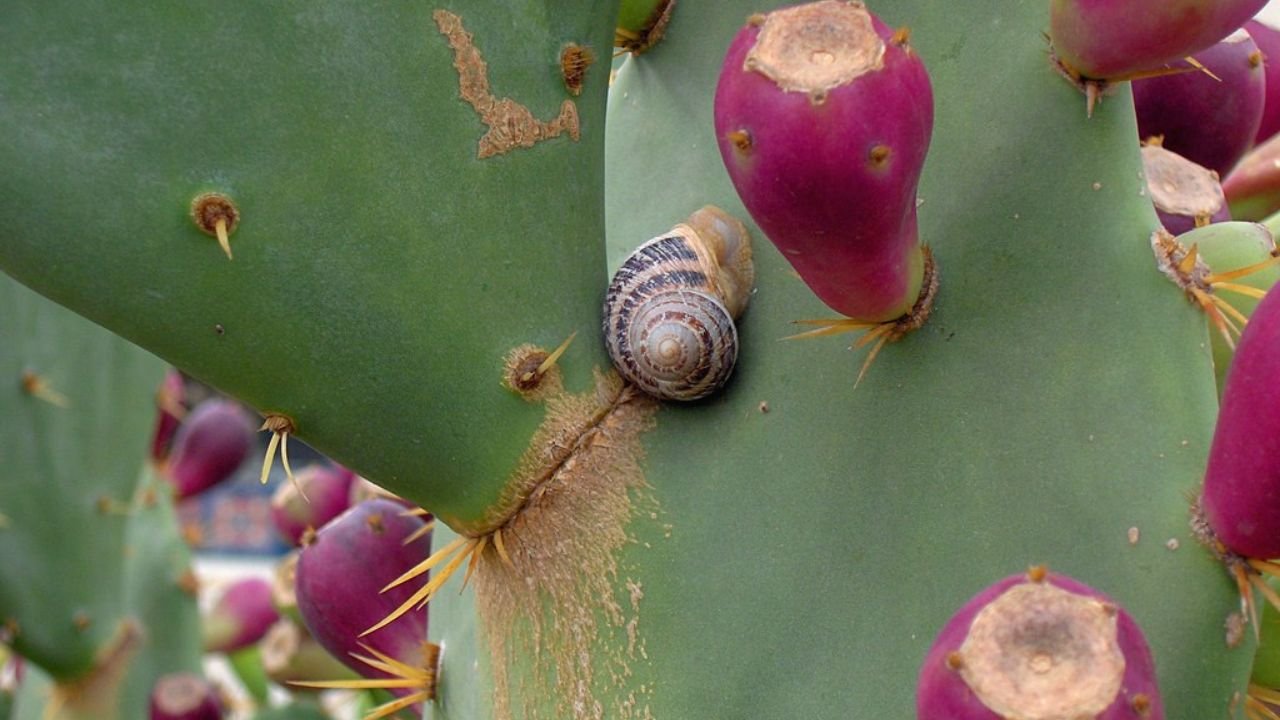
The prickly pear cactus is a fascinating plant. It’s known for its vibrant fruits and intimidating spines. It’s native to the Americas and is a popular ingredient in Mexican and Southwestern American cooking.
When exploring exotic fruits, you might wonder about the prickly pear‘s skin. The fruit’s pulp is not only edible but also rich in nutrients. But is the skin safe to eat?
Understanding the edible cactus and its parts can make your culinary adventures more exciting. It also gives insights into its nutritional benefits. Let’s explore the truth about eating prickly pear skin.
Contents
- 1 What Are Prickly Pears?
- 2 Can You Eat the Skin of a Prickly Pear?
- 3 Nutritional Benefits of Prickly Pears
- 4 How to Safely Handle and Prepare Prickly Pears
- 5 Incorporating Prickly Pears into Your Diet
- 6 FAQ
- 6.1 Are prickly pears safe to eat?
- 6.2 Can you eat prickly pear skin raw?
- 6.3 How do you remove spines from prickly pears?
- 6.4 What are the health benefits of eating prickly pears?
- 6.5 Can you store prickly pear fruit, and if so, how?
- 6.6 Are there different types of prickly pears?
- 6.7 How do you prepare prickly pears for eating?
What Are Prickly Pears?
Have you ever wondered about prickly pears? They are the fruits of the prickly pear cactus, found in the Americas. For centuries, they’ve been a key part of Mexican and Mediterranean cooking.
The prickly pear cactus loves dry, warm places. This makes the Southwestern United States and parts of Mexico perfect for it. The Opuntia ficus-indica species is the most eaten.
Prickly pears are tasty and full of good stuff. They’re loaded with vitamins, minerals, and antioxidants. This makes them great for your health. They’re especially high in vitamin C, potassium, and fiber.
| Nutrient | Amount per 100g | % Daily Value |
|---|---|---|
| Vitamin C | 25 mg | 30% |
| Potassium | 220 mg | 6% |
| Dietary Fiber | 3.6 g | 14% |
Eating prickly pears can help in many ways. They can control blood sugar, reduce inflammation, and aid digestion. Adding them to your meals can boost your nutrition and introduce new tastes.
Prickly pears are very flexible. You can eat them raw, make jams, or use them in many dishes. Their taste and health benefits make them a great choice for a balanced diet.
Can You Eat the Skin of a Prickly Pear?
Many people throw away the skin of a prickly pear. But is it safe to eat? It’s important to know the risks.
Prickly pear skin is technically edible. But it’s not often eaten. The skin has glucosides and other compounds that might upset your stomach. Also, the skin has tiny spines called glochids that can irritate you if you eat them.
Preparing Prickly Pears for Safe Consumption
To safely enjoy prickly pears, you need to remove the skin. Here’s how to do it:
- Rinse the fruit under running water to remove any dirt or debris.
- Make a careful incision along the length of the fruit to avoid penetrating the inner flesh.
- Peel back the skin, taking care not to let the glochids come into contact with your skin.
- Rinse the peeled fruit under running water before consumption.
Not eating the skin can prevent stomach issues and irritation from glochids. It also makes eating prickly pears more enjoyable. The skin can be tough and fibrous.
While prickly pear skin is technically edible, it’s best to avoid it. This is because of health risks and discomfort. By preparing the fruit right, you can enjoy its nutritional benefits without the risks.
Nutritional Benefits of Prickly Pears
The prickly pear, a cactus fruit, is packed with vitamins and antioxidants. Adding it to your diet can bring many health benefits. It’s full of vitamin C, vitamin B6, and magnesium, great for boosting your nutrient intake.
Prickly pears are also high in antioxidants. These help protect your cells from damage by free radicals. This can lower the risk of heart disease and cancer. The fruit’s antioxidants also reduce body inflammation.
Prickly pears are a good source of dietary fiber too. This fiber supports healthy digestion and can make you feel full. It’s a nutritious snack for those watching their weight.
Research shows prickly pears may help manage blood sugar and improve heart health. Eating prickly pears can add a delicious and nutritious touch to your diet. It supports your overall health too.
How to Safely Handle and Prepare Prickly Pears
To enjoy prickly pears, you must first learn how to handle them safely. The process involves removing the spines, cleaning the fruit, and storing it properly to maintain freshness.
First, you’ll need to remove the spines from the prickly pear. This can be done by wearing gloves and using tongs to hold the fruit over a flame, such as a gas burner or a candle, rotating it until the spines are singed off. Alternatively, you can use a vegetable brush to brush off the spines, but be cautious as some spines may remain.
Once the spines are removed, carefully cut off both ends of the fruit and make a lengthwise cut to expose the inner flesh. You can then scoop out the flesh, taking care to avoid any remaining spines.
After preparing the prickly pear, it’s essential to store it correctly. Here are some tips:
- Store prepared prickly pear in an airtight container to maintain freshness.
- Keep it refrigerated to prolong its shelf life.
- Use within a few days of preparation for the best flavor.
Storing Prepared Prickly Pear Fruit
To keep your prepared prickly pear fresh, follow these storage tips. Proper storage not only maintains the fruit’s quality but also ensures it remains safe to eat.
| Storage Method | Duration | Tips |
|---|---|---|
| Refrigeration | 3-5 days | Store in an airtight container. |
| Freezing | Up to 6 months | Freeze in a single layer on a baking sheet before transferring to airtight containers or freezer bags. |
Incorporating Prickly Pears into Your Diet
Prickly pears are not just for show; their fruit is edible and full of nutrients. This edible cactus adds a unique touch to your meals. It’s rich in vitamins, minerals, and antioxidants, making it a great addition to your diet.
Start by trying out different recipes with prickly pears. You can make jams, salads, smoothies, and even desserts. Adding prickly pears to your meals can bring new flavors and health benefits.
When working with prickly pears, be careful to avoid the spines. This way, you can enjoy the fruit’s health perks. You can find prickly pear products or fresh cactus fruit in health food stores or online.
FAQ
Are prickly pears safe to eat?
Yes, prickly pears are safe to eat. But, you must handle them carefully to avoid the spines. Proper preparation is key to enjoying them.
Can you eat prickly pear skin raw?
While eating prickly pear skin raw is possible, it’s not recommended. This is because of the spines and potential digestive issues. Cooking or proper preparation can make it more palatable.
How do you remove spines from prickly pears?
To remove spines, you can burn them off with a flame. Or, you can carefully scrape them off with a knife or vegetable peeler. Be careful not to touch the glochids, as they can cause irritation.
What are the health benefits of eating prickly pears?
Prickly pears are rich in vitamins, minerals, and antioxidants. They offer potential health benefits like reducing inflammation, improving digestion, and supporting immune function.
Can you store prickly pear fruit, and if so, how?
Yes, you can store prickly pear fruit. Clean and prepare them first. Then, store them in the refrigerator for several days or freeze for longer-term storage.
Are there different types of prickly pears?
Yes, there are several species of prickly pears. They vary in color and flavor. This offers a range of options for consumption and culinary use.
How do you prepare prickly pears for eating?
To prepare prickly pears, remove the spines carefully. Then, peel or cut open the fruit. Access the edible pulp and seeds inside. These can be eaten raw or used in various recipes.

Hello, I am Bellamy George, a certified nutritionist and food safety specialist from Springfield, IL. With a degree in Food Science, I share research-backed insights on edible foods, seeds, and seafood for safe, informed eating.