
Last updated on September 13th, 2025 at 11:23 am
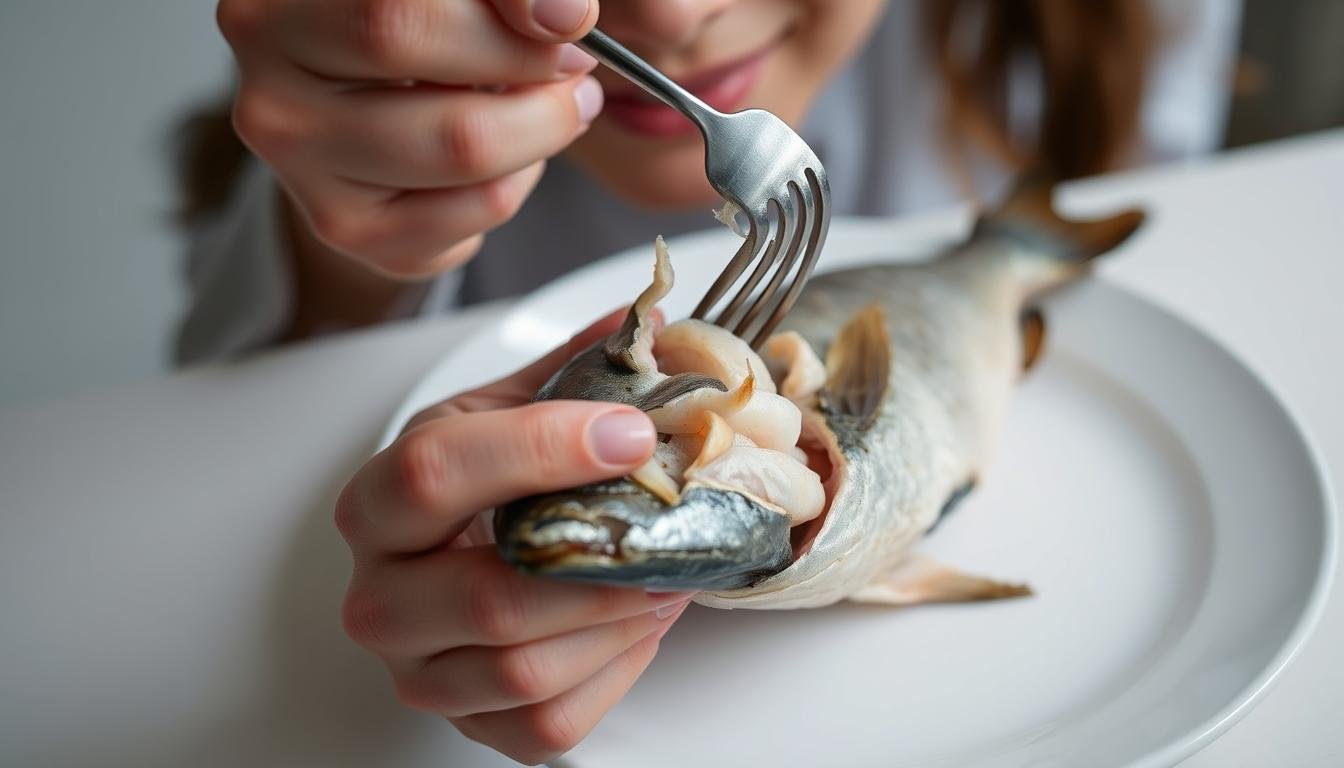
Have you ever wondered if it’s safe to eat cooked fish bones? This question has sparked debate among food lovers and health experts. While some cultures see eating fish bones as a delicacy, others think it’s a health risk.
Eating fish bones is a complex topic with many factors involved. It’s a tradition in many cuisines worldwide. But, is it safe? The answer depends on how the bones are prepared.
Knowing the risks and benefits of eating cooked fish bones is key. In this article, we’ll look into the safety and potential effects of eating fish bones.
Contents
- 1 The Truth About Eating Fish Bones
- 2 Can You Eat Cooked Fish Bones Safely?
- 3 Nutritional Benefits of Consuming Fish Bones
- 4 Potential Risks and Dangers
- 5 Types of Fish Bones That Are Safer to Consume
- 6 Proper Preparation Methods for Edible Fish Bones
- 7 What to Do If You Accidentally Swallow a Fish Bone
- 8 Cultural Perspectives on Eating Fish Bones
- 9 Conclusion
- 10 FAQ
- 10.1 Are fish bones safe to eat?
- 10.2 What are the nutritional benefits of consuming fish bones?
- 10.3 How do I know if a fish bone is safe to eat?
- 10.4 Can eating fish bones cause choking hazards?
- 10.5 What should I do if I accidentally swallow a fish bone?
- 10.6 Are there any specific cooking methods that make fish bones safer to eat?
- 10.7 Can I eat fish bones raw?
- 10.8 Are there any cultural traditions that involve eating fish bones?
The Truth About Eating Fish Bones
Eating fish bones is a topic of debate among food lovers and health experts. You might have heard different opinions on its safety and benefits. But what’s really true about this practice?
Fish bones are full of calcium and minerals, making them good for your diet. In some cultures, they’re seen as a tasty treat. But, eating fish bones safely depends on how they’re cooked. Cooking fish bones can make them softer and more palatable, but they must be cooked right to avoid risks.
For the safety of eating cooked fish bones, proper preparation is key. Methods like frying or boiling can make them safer. But, it’s important to know the type of fish bones you’re eating, as some can be riskier.
Are there benefits to eating fish bones? Besides being a calcium source, they can add texture and flavor. But, it’s crucial to consider the risks, especially if you plan to eat them often.
In summary, eating fish bones can be safe if done right. Knowing how to prepare them and being aware of the risks helps you make smart choices about including them in your meals.
Can You Eat Cooked Fish Bones Safely?
Eating cooked fish bones can be safe if you know what to look for. The key to safely consuming cooked fish bones lies in understanding the indicators of their safety.
Visual Indicators
When assessing the safety of cooked fish bones, the first step is to look for visual indicators. Soft, brittle, or crumbly bones are generally safer to eat than hard, sharp ones. You should also check if the bones have been cooked properly; they should be soft and easily mashed with a fork.
| Visual Indicator | Safety Status |
|---|---|
| Soft and brittle | Safe |
| Hard and sharp | Not Safe |
| Crumbly | Safe |
Texture Tests
Apart from visual inspection, performing a texture test can further ensure the bones are safe to eat. Gently press a cooked fish bone between your fingers; if it crumbles easily, it’s likely safe. However, if it remains hard or feels sharp, it’s best to avoid consuming it.
By combining visual indicators and texture tests, you can make an informed decision about the safety of eating cooked fish bones. Always prioritize caution and consider the type of fish and its cooking method.
Nutritional Benefits of Consuming Fish Bones
Fish bones are often overlooked as a valuable source of essential nutrients. However, when prepared correctly, they can be a nutritious addition to your meals.
Consuming fish bones can provide you with a range of health benefits. They are an excellent source of calcium, which is crucial for maintaining strong bone health. Additionally, fish bones contain other minerals such as phosphorus and magnesium, which play significant roles in various bodily functions.
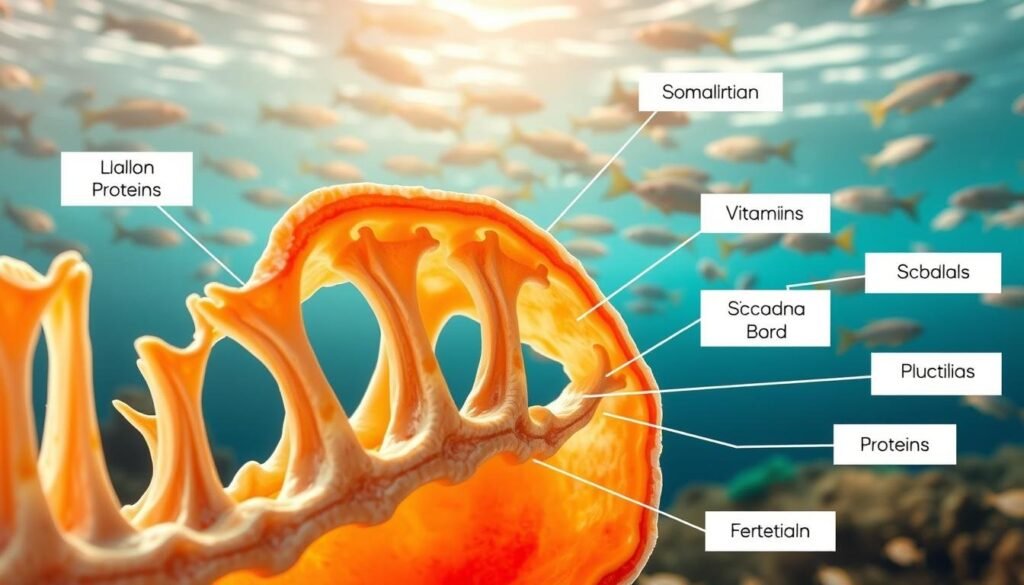
The nutritional benefits of fish bones also include being rich in collagen. This can help improve skin, hair, and nail health. Furthermore, fish bones are a good source of various vitamins and minerals that are essential for overall health.
Some of the key nutrients found in fish bones include:
- Calcium: Essential for bone health
- Phosphorus: Important for the formation of bones and teeth
- Magnesium: Plays a role in muscle and nerve function
- Collagen: Supports skin, hair, and nail health
Eating fish bones can be particularly beneficial for individuals looking to increase their intake of these nutrients. By incorporating fish bones into your diet, you can potentially improve your overall nutritional status and support various aspects of your health.
The benefits of eating fish bones extend beyond just the nutritional value. They can also add texture and flavor to dishes, making them a versatile ingredient in cooking.
Potential Risks and Dangers
Eating cooked fish bones can be risky. They might get stuck in your throat, causing choking. Or, they could hurt the lining of your digestive tract.
One big risk is choking. If a bone blocks your airway, it’s a serious emergency. Even small bones can cause a lot of trouble if they get stuck.
There are other dangers too. Sharp bones can hurt your insides as they move through your body. These injuries can be minor or serious, needing medical help.
Some people get sick after eating fish bones. They might feel pain in their belly, nausea, or throw up. In rare cases, a bone can cause an infection or other serious problems that need quick medical care.
To stay safe, cook fish bones until they’re soft. Or, grind them into a powder to avoid choking hazards or sharp edges.
Knowing the risks of eating fish bones helps you make smart choices. While there are dangers, being informed lets you take steps to stay safe.
Types of Fish Bones That Are Safer to Consume
Thinking about eating fish bones? It’s key to pick the right ones to avoid harm. Some fish have softer bones that are easier to digest, making them safer.
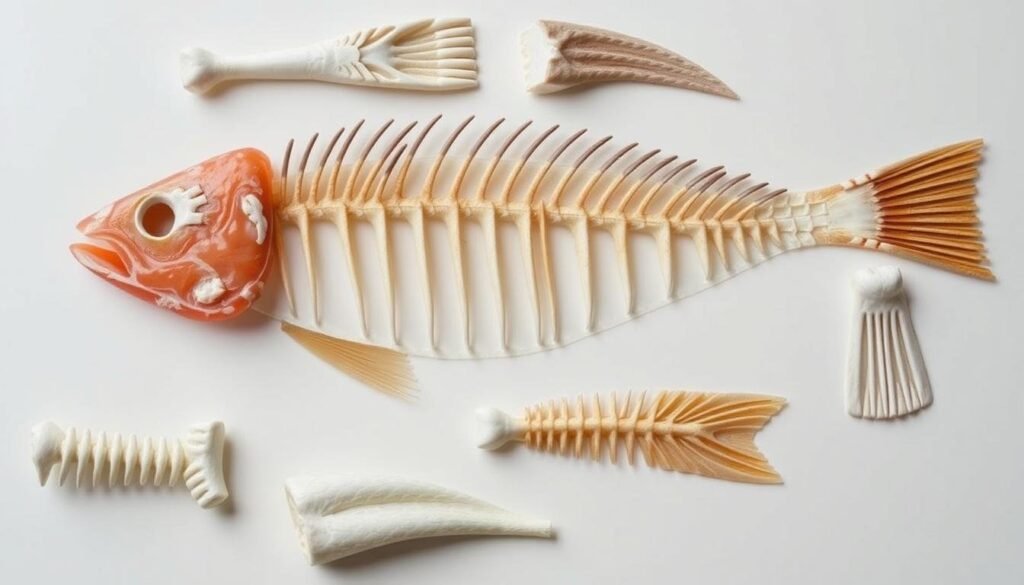
Sardines and anchovies are small fish with soft, edible bones. These bones are full of calcium and get crushed when cooked. Eating sardines or anchovies gives you protein and calcium from their bones.
Other Small Fish Species
Small fish like herring and smelt also have safer bones. Their bones get soft when cooked right. Adding these fish to your diet gives you important nutrients without the dangers of sharp bones.
When eating fish bones, choose fish with softer bones and cook them right. Cooking methods that soften bones make them easier to chew and digest. By picking the right fish and cooking them well, you can enjoy fish bones’ nutritional benefits safely.
- Sardines
- Anchovies
- Herring
- Smelt
These small fish are not only safer but also packed with nutrients. Adding them to your meals lets you enjoy fish bones’ benefits while keeping your food safe and tasty.
Proper Preparation Methods for Edible Fish Bones
Edible fish bones can add nutrition to your meals if prepared right. The right techniques make them safe and tasty.
High-Heat Methods
Grilling or broiling fish bones can make them brittle and easier to digest. High heat calcifies the bones, lowering choking risks. To grill fish with bones, heat your grill to medium-high. Cook for 4-6 minutes per side, until the fish is done and bones are golden.

Slow cooking is also great for fish bones. Cooking fish in liquid low and slow makes bones soft. This is perfect for fish bone broth or soup. Place fish and bones in a pot of water or broth. Simmer for 20-30 minutes, until bones are soft and meat is flaky.
| Cooking Method | Benefits | Precautions |
|---|---|---|
| Grilling/Broiling | Makes bones brittle, easier to digest | Watch for burning, ensure bones are calcified |
| Slow Cooking | Makes bones soft, easily digestible | Ensure sufficient cooking time, monitor temperature |
Choose your cooking method wisely to avoid risks. Always check cooked bones for safety.
What to Do If You Accidentally Swallow a Fish Bone
Swallowing a fish bone by accident needs quick action and a calm mind. If you’ve swallowed a fish bone, the first thing is to stay calm. Usually, the bone will go through your digestive system without any trouble.
Here are the steps to follow:
- Stay calm and avoid panicking.
- Try to drink plenty of water to help the bone move through your system.
- Monitor for symptoms such as severe pain, difficulty swallowing, or bleeding.
- If you experience any of these symptoms, seek medical attention immediately.
| Symptoms to Watch For | Action to Take |
|---|---|
| Severe abdominal pain | Seek medical help |
| Difficulty swallowing | Visit the emergency room |
| Bleeding | Contact a healthcare provider |
If you’re not feeling any symptoms, still talk to a doctor. They can give advice based on the bone’s size and your health.
Cultural Perspectives on Eating Fish Bones
Different cultures have their own views on eating fish bones. Some see them as a delicacy, while others just see them as part of a meal. In some Asian cultures, people eat fish bones with the flesh, cooked or raw, in traditional dishes.
In Japan, small fish bones are pickled or fried until crispy. They become a crunchy snack. In Southeast Asia, fish bones are simmered in soups or stews. This makes them soft and easy to eat.
In Western cultures, eating fish bones is not common and is often seen with doubt. But, in some Mediterranean diets, small, soft fish bones are eaten without problem.
The ways cultures eat fish bones vary a lot. They are influenced by nutrition, cooking traditions, and history. Exploring global cuisines shows thateating fish bones in different culturesis more than just food. It’s about cultural identity and tradition.
Learning about these different views can make you appreciate global food more. It helps you see that what’s considered food varies greatly around the world.
Conclusion
You now know a lot about the safety and health benefits of eating cooked fish bones. This article has shown how important it is to prepare them right and the risks you might face.
It’s clear that some fish bones are safer to eat than others. The right cooking methods can also help reduce risks. When eaten right, fish bones can be a great source of calcium and other important nutrients.
Thinking about adding fish bones to your meals? You should think about the good and the bad. Being well-informed and careful can help you choose what’s best for you.
FAQ
Are fish bones safe to eat?
Fish bones can be safe if they’re cooked right. They’re okay from fish like sardines or anchovies, which have softer bones.
What are the nutritional benefits of consuming fish bones?
Eating fish bones gives you calcium, phosphorus, and other minerals. These are good for your bones.
How do I know if a fish bone is safe to eat?
Check the bone’s texture and look. Soft, brittle, or crumbly bones are usually safer.
Can eating fish bones cause choking hazards?
Yes, eating fish bones can be dangerous. Large bones or ones that get stuck in your throat are especially risky.
What should I do if I accidentally swallow a fish bone?
If you swallow a fish bone, stay calm. Drink some water. If you have trouble breathing or severe pain, get help right away.
Are there any specific cooking methods that make fish bones safer to eat?
Yes, cooking fish bones at high heat, like grilling or broiling, makes them softer. Slow cooking, like braising, also helps.
Can I eat fish bones raw?
It’s not a good idea to eat fish bones raw. They can be brittle and might hurt you or cause stomach problems.
Are there any cultural traditions that involve eating fish bones?
Yes, in some cultures, like in Asian cuisines, fish bones are a delicacy. They’re eaten in traditional dishes.

Hello, I am Bellamy George, a certified nutritionist and food safety specialist from Springfield, IL. With a degree in Food Science, I share research-backed insights on edible foods, seeds, and seafood for safe, informed eating.