
Last updated on September 13th, 2025 at 11:23 am
Knowing if brown lettuce is okay to eat is key for keeping food safe and reducing waste. Brown lettuce might be spoiled, but it could also be fine.
Let’s look into why lettuce turns brown and what it means for its safety and quality.
Contents
- 1 Why Lettuce Turns Brown
- 2 Can You Eat Lettuce After It Turns Brown?
- 3 How to Identify Truly Spoiled Lettuce
- 4 Health Risks of Eating Spoiled Lettuce
- 5 Proper Lettuce Storage to Prevent Browning
- 6 Maintaining Lettuce Freshness and Safety
- 7 FAQ
- 7.1 What causes lettuce to turn brown?
- 7.2 Is brown lettuce safe to eat?
- 7.3 How can I tell if lettuce has gone bad?
- 7.4 What are the health risks of eating spoiled lettuce?
- 7.5 How should I store lettuce to prevent browning?
- 7.6 Can I still use lettuce that has turned slightly brown around the edges?
- 7.7 Does cooking lettuce kill bacteria?
Why Lettuce Turns Brown
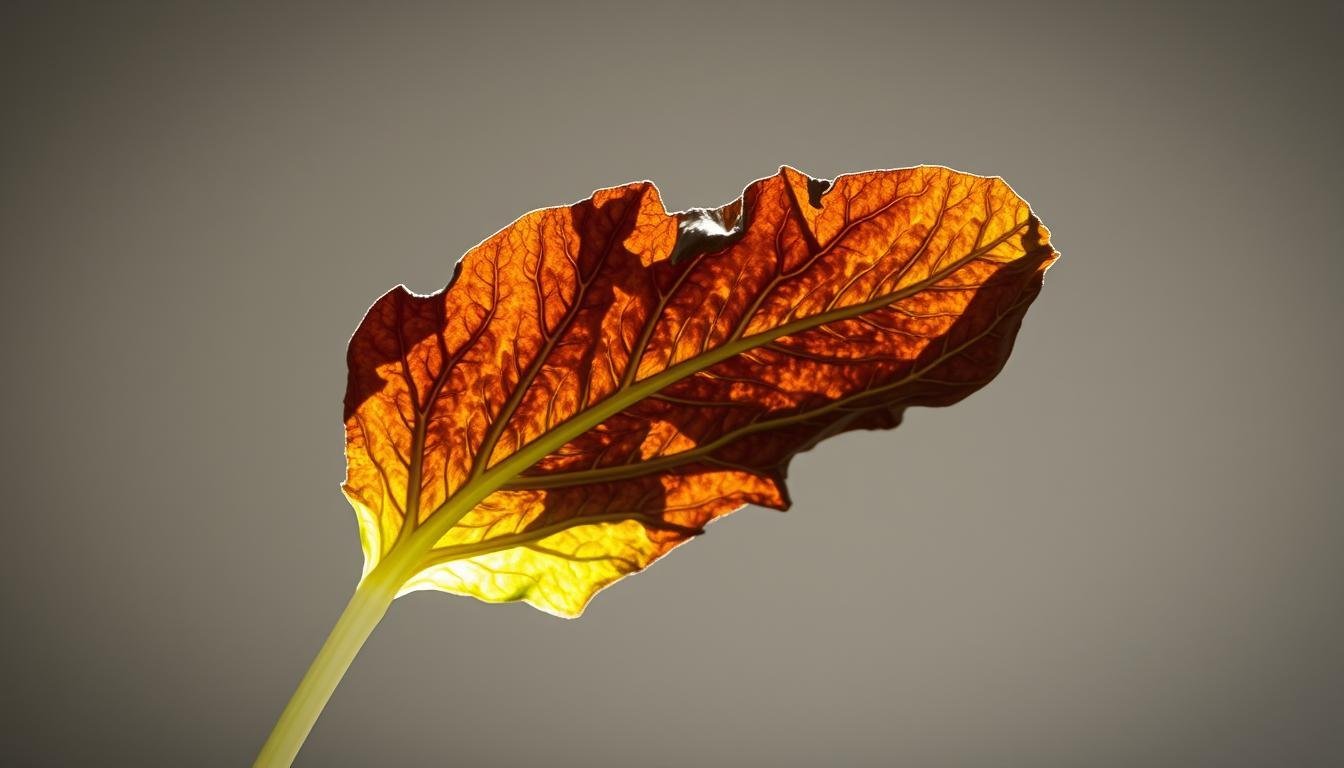
Ever wondered why your fresh lettuce turns brown after a few days? The main reason is enzymatic browning. This is a chemical reaction that happens when lettuce is cut or bruised.
Enzymatic browning is caused by the enzyme polyphenol oxidase (PPO). It reacts with oxygen in the air. This creates melanin, a brown pigment that makes the lettuce turn brown. It’s a natural process, but it affects the lettuce’s appearance and freshness.
- Exposure to oxygen, which triggers the enzymatic browning reaction.
- Moisture, which can speed up the deterioration process.
- Heat, as higher temperatures can increase the rate of enzymatic reactions.
- Ethylene production, a natural process in aging produce that can signal the start of spoilage.
Knowing these causes can help you prevent browning. This way, you can keep your lettuce fresh for longer.
Can You Eat Lettuce After It Turns Brown?
When your lettuce turns brown, you might wonder if it’s still okay to eat. The answer depends on understanding why it turns brown and knowing the difference between natural browning and spoilage.
Lettuce turns brown mainly because of enzymes that start working when leaves are cut or bruised. This is a natural process that can be slowed down with the right storage. But, browning can also mean spoilage if other signs are present.
Signs of Spoilage vs. Browning
To figure out if your lettuce is still good, look beyond just the color. Check for other signs of spoilage like sliminess, a bad smell, or mold. If you see any of these, it’s safer to throw it away.
Here are some important things to think about when checking your lettuce:
- Appearance: While some browning is okay, a lot of softening or mold is a warning sign.
- Smell: Fresh lettuce should smell mild and earthy. A strong, sour smell means it’s gone bad.
- Texture: Lettuce should be crisp. If it’s slimy or wilted, it’s past its prime.
If your lettuce has just a little brown without other spoilage signs, it’s likely safe to eat. You can even cut off the brown parts to make it better. But, if you’re unsure, it’s better to throw it away to avoid health risks from eating spoiled lettuce.
In short, while brown lettuce isn’t always a problem, it’s key to check it carefully. Look for signs of lettuce spoilage and decide based on its look, smell, and feel.
How to Identify Truly Spoiled Lettuce
To make sure you don’t eat rotten lettuce, it’s important to know the signs of spoilage. Bad lettuce can cause serious health problems, like foodborne illnesses.
First, look at your lettuce. Fresh lettuce is crisp and bright. Spoiled lettuce, on the other hand, gets slimy, grows mold, or turns brown or black. It also becomes soft or wilted.
Smell is also key. Fresh lettuce smells mild and earthy. If your lettuce smells sour or very strong, it’s bad.
Here are some key signs to check for:
- Slimy texture
- Mold or fungal growth
- Off-color or browning
- Sour or unpleasant smell
Knowing these signs helps you spot spoiled lettuce. This way, you can avoid eating it and stay healthy.
Health Risks of Eating Spoiled Lettuce
Spoiled lettuce is not just bad-tasting; it can also harm your health. If lettuce turns brown or gets slimy, it might have harmful bacteria like E. coli or Salmonella. These can cause food poisoning, leading to diarrhea, stomach cramps, and fever.
People who are older, young kids, or have weak immune systems face a bigger risk. Food poisoning from bad lettuce is a serious issue that should be taken seriously.
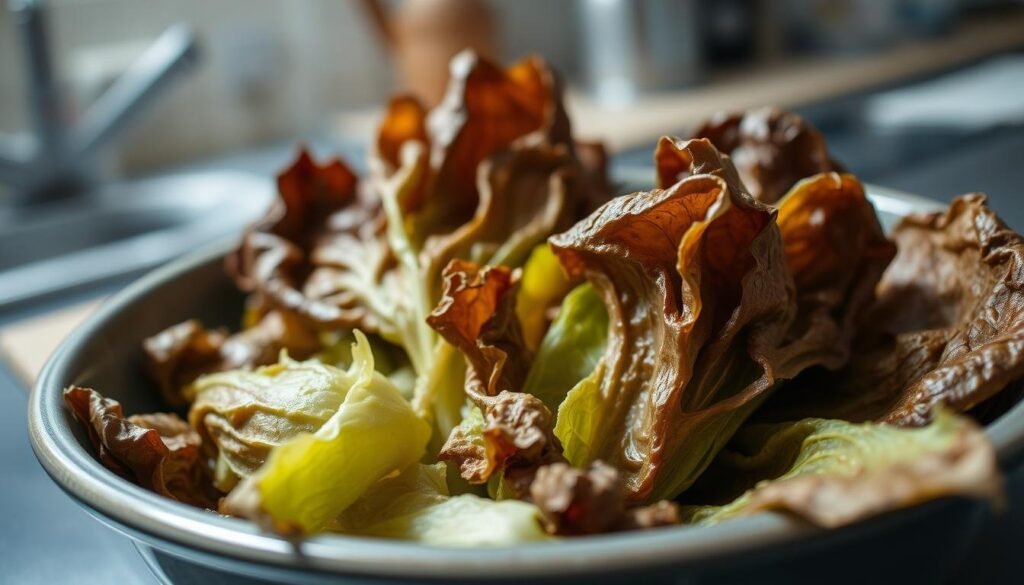
To keep lettuce safe, always check it before eating. Look for signs like sliminess, mold, or a bad smell. If unsure, it’s safer to throw it away.
Knowing the health risks of bad lettuce helps you make better food choices. By checking your lettuce and storing it right, you can avoid food poisoning. This way, you can enjoy your lettuce safely.
Proper Lettuce Storage to Prevent Browning
To stop lettuce from browning, use the right storage methods. Keep it in the right humidity, cool, and away from ethylene-producing fruits.
First, wrap your lettuce loosely in a dry paper towel. This absorbs extra moisture that causes browning.
Then, put the wrapped lettuce in a container or bag that breathes. Make sure there’s room for air to move. This stops ethylene gas from building up.
- Store lettuce in the fridge at a steady temperature under 40°F (4°C).
- Keep it away from fruits like apples and bananas, which release ethylene gas.
- Choose a container that’s not too tight, allowing air to flow.
By using these storage tips, you can keep your lettuce fresh longer and stop it from browning. The main thing is to keep it cool, with the right humidity, and away from ethylene.
Maintaining Lettuce Freshness and Safety
Knowing when lettuce is safe to eat and how to store it is key. Lettuce turning brown doesn’t always mean it’s bad. But, it’s important to look for other signs of spoilage.
Before eating lettuce, check for sliminess, mold, or a sour smell. Keeping it dry and cool helps it stay fresh longer.
By following the right steps for handling and storing lettuce, you can enjoy it safely. This summary shows how important it is to watch your lettuce’s condition and keep it fresh.
FAQ
What causes lettuce to turn brown?
Lettuce turns brown because of a chemical reaction. This happens when it’s cut or bruised, exposing it to oxygen.
Is brown lettuce safe to eat?
Brown lettuce might not be spoiled, but it might not taste good. If it’s just brown from the reaction and not showing other signs of spoilage, it’s usually safe.
How can I tell if lettuce has gone bad?
Bad lettuce shows signs like sliminess, mold, an off color, or a sour smell. If you see these, it’s best to throw it away.
What are the health risks of eating spoiled lettuce?
Eating bad lettuce can make you sick. It might cause diarrhea, stomach cramps, and fever because of bacteria like E. coli or Salmonella.
How should I store lettuce to prevent browning?
Keep lettuce cool and humid, away from fruits that give off ethylene gas. This helps keep it fresh.
Can I still use lettuce that has turned slightly brown around the edges?
If only the edges are brown and it looks fine otherwise, you can cut off the brown parts. Then, you can use the rest.
Does cooking lettuce kill bacteria?
Cooking lettuce can kill harmful bacteria like E. coli and Salmonella. But, make sure it’s cooked enough to be safe.

Hello, I am Bellamy George, a certified nutritionist and food safety specialist from Springfield, IL. With a degree in Food Science, I share research-backed insights on edible foods, seeds, and seafood for safe, informed eating.