
Last updated on September 13th, 2025 at 11:23 am
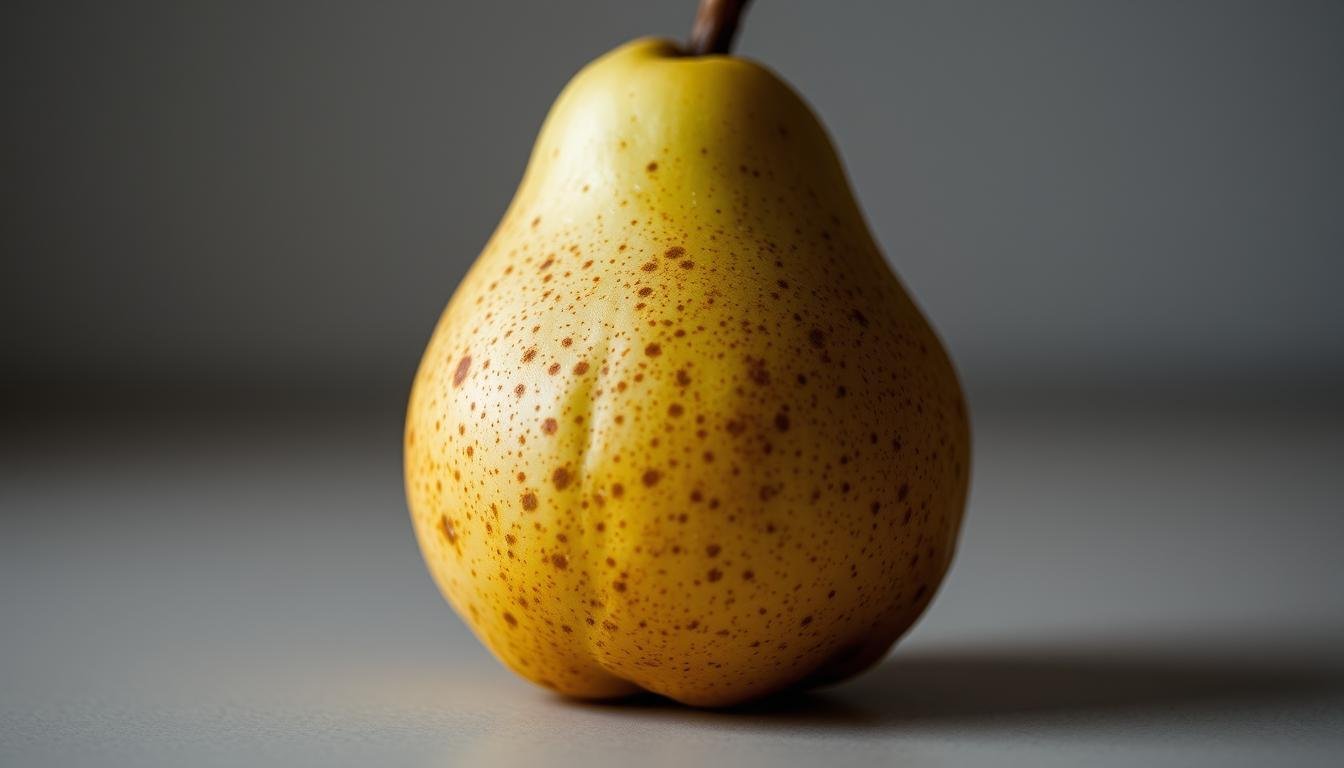
Ever sliced into a pear and found brown spots inside? It’s a common problem that makes you question if the fruit is safe to eat. The brown spots can look scary, making you wonder if it’s okay to consume them.
It’s important to know if safety of eating pears with brown spots is okay. Some browning is normal as pears age. But, other times, it might mean there’s a problem.
In this article, we’ll look into why pears get brown spots and if it’s safe to eat them.
Contents
- 1 Understanding Brown Spots in Pears
- 2 Can You Eat Pears with Brown Spots Inside?
- 3 What Causes Brown Spots Inside Pears?
- 4 Health and Safety Considerations
- 5 How to Identify Unsafe Pears
- 6 Nutritional Impact of Brown Spots in Pears
- 7 Different Pear Varieties and Their Susceptibility to Browning
- 8 Proper Storage to Prevent Internal Browning
- 9 Creative Ways to Use Pears with Brown Spots
- 10 When to Definitely Discard Pears
- 11 Selecting Quality Pears at the Store
- 12 Conclusion
- 13 FAQ
- 13.1 What causes brown spots inside pears?
- 13.2 Are pears with brown spots safe to eat?
- 13.3 How can I identify if a pear is unsafe to eat?
- 13.4 Can brown spots in pears affect their nutritional value?
- 13.5 How can I prevent internal browning in pears?
- 13.6 Can I still use pears with brown spots in recipes?
- 13.7 How do I select high-quality pears at the store?
- 13.8 Are some pear varieties more prone to browning than others?
- 13.9 Can seasonal or regional factors influence pear quality?
Understanding Brown Spots in Pears
Seeing brown spots in pears can make you wonder if they’re safe to eat. Brown spots in pears happen for many reasons. Knowing what these spots mean is important to figure out if the pear is good to eat.
There are different kinds of browning in pears. Core browning is when the area around the core turns brown. This can happen as the pear ages or because of its type. On the other hand, flesh browning affects the outer part of the pear.
Spotting vs. General Discoloration
Browning in pears can show up as spots or all over. Spotting means small brown areas, usually from bruises or minor damage. General discoloration, however, is when the whole pear turns brown. This could be because the pear is aging or because of environmental stress.
Knowing the difference between these browning types helps you decide if a pear is okay to eat. By checking if the browning is just in the core, is in one spot, or all over, you can make a better choice.
Can You Eat Pears with Brown Spots Inside?
Seeing brown spots inside your pears might make you question if they’re safe to eat. These spots can come from different reasons. Knowing why they’re there helps figure out if the pear is okay to eat.
Pears can turn brown because of oxidation, especially when cut or bruised. Harmless oxidation patterns happen when the pear’s flesh meets air. This browning doesn’t always mean the pear is bad.
Harmless Oxidation Patterns
Oxidation in pears shows up as brown spots, often near the core or where they’re bruised. If the brown spots are just in these areas and the rest of the pear looks and smells good, it’s probably safe. Just cut out the brown parts and eat the rest.
But, some signs mean a pear is not safe. If brown spots come with a bad smell, mold, or if the pear feels too soft, it’s safer to throw it away. These signs might mean the pear is too ripe or rotten, possibly full of harmful bacteria.
Knowing the signs of unsafe pear consumption helps you enjoy pears safely. Always check your pears before eating them. If unsure, it’s safer to throw the pear away to avoid health risks.
Understanding the difference between harmless browning and spoilage lets you decide if eating pears with brown spots inside is safe. This way, you can enjoy your pears while keeping yourself safe and healthy.
What Causes Brown Spots Inside Pears?
Have you ever seen brown spots inside pears? There are many reasons why this happens. It can be because of how the pears are handled, the environment they’re in, or the type of pear itself.
Environmental factors are a big deal. Pears can get brown spots if they’re too hot or too cold. They also get affected if they’re stored in too humid or dry places.
How we handle pears matters too. If a pear gets bruised or damaged, it might turn brown inside. This is because the damage starts a chain of reactions that cause browning.
The type of pear can also play a part. Some pears are more likely to turn brown because of their natural traits.
| Factor | Description | Impact on Pears |
|---|---|---|
| Environmental Factors | Temperature extremes, humidity | Browning due to stress |
| Handling Practices | Bruising, improper storage | Damage leading to browning |
| Varietal Characteristics | Natural susceptibility to browning | Some varieties more prone to browning |
Knowing about these factors helps you choose better pears. By understanding why pears turn brown, you can pick the best ones. This way, you can avoid browning and enjoy your pears more.
Health and Safety Considerations
Brown spots inside pears can be a health concern. Eating pears with these spots may expose you to health risks. It’s important to know these risks to decide if you should eat them.
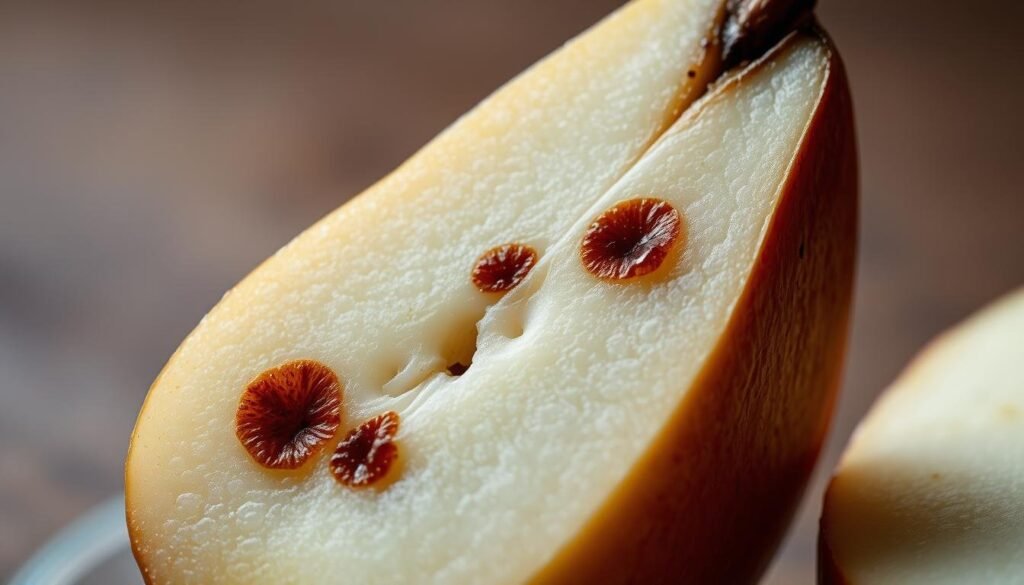
Bacterial contamination is a big worry with damaged pears. Bacteria can get into the fruit through bruises or cuts. This can cause foodborne illnesses. Make sure your pears don’t have big damage to lower this risk.
Toxin Production in Damaged Fruit
Damaged pears can also produce toxins, especially if they’re moldy or rotting. Be careful because some molds can make harmful mycotoxins. It’s best to throw away any pear with a lot of browning or mold to stay safe.
In short, it’s crucial to think about health and safety when eating pears with brown spots. Check your pears well and don’t eat those with big damage to avoid health problems.
How to Identify Unsafe Pears
Eating pears can be fun, but knowing which ones are safe is key. Some pears can be harmful, so it’s important to spot them early. This way, you can enjoy pears without worrying about your health.
Color Patterns That Signal Danger
Looking at a pear’s color can tell you a lot. Brown spots or discoloration inside mean it’s likely spoiled. If you see brown or black spots, it’s best to throw the pear away.
Checking the core and seeds is also important. A good pear has a firm core and healthy seeds. If the core is soft or the seeds are rotting, the pear is probably not safe to eat.
| Pear Condition | Safe to Eat? |
|---|---|
| Brown spots inside | No |
| Soft core | No |
| Decaying seeds | No |
By watching for color changes and checking the core and seeds, you can avoid eating bad pears. This makes eating pears a safer and more enjoyable experience.
Nutritional Impact of Brown Spots in Pears
Brown spots inside pears can change their look and their nutritional value. The browning happens because of enzymes that break down some nutrients in the fruit.
The nutritional impact of brown spots in pears depends on how much they are browned. Pears are full of vitamins, minerals, and antioxidants. For example, vitamin C can break down when the fruit gets damaged or bruised.
Even with brown spots, pears still keep a lot of their nutrients. The fiber content stays the same, but some vitamins like vitamin C can be lost. Yet, pears with brown spots still have dietary fiber and some antioxidants.
To get the most nutritional benefits, eat pears that are fresh and have little damage. If you find pears with brown spots, cutting out the brown parts can help keep more nutrients.
Different Pear Varieties and Their Susceptibility to Browning
Did you know some pear varieties brown more than others? This is due to several factors. These include the pear type, the season, and where it’s grown.
Each pear variety has its own traits that affect how it browns. For example, Bartlett and Anjou pears are soft and can brown easily. But Bosc pears are firmer and brown less inside.
| Pear Variety | Browning Susceptibility | Characteristics |
|---|---|---|
| Bartlett | High | Tender flesh, sweet flavor |
| Anjou | High | Buttery texture, sweet flavor |
| Bosc | Low | Firm texture, nutty flavor |
Seasonal Variations in Pear Quality
The season greatly affects pear quality. Pears picked at the right time have better taste and texture, less browning. But pears picked too early or late may brown more because of changes in sugar and cell structure.
Regional Differences in Pear Characteristics
Where pears are grown also matters. Climate, soil, and farming methods vary by region. This affects the quality and browning of pears. For instance, pears from certain climates and soils might be different from those from harsher areas.
Proper Storage to Prevent Internal Browning
Preventing internal browning in pears starts with how you store them. Proper storage techniques can significantly extend the freshness and quality of your pears.
Refrigeration Best Practices
When storing pears in the refrigerator, it’s essential to maintain the right conditions. Keep your pears away from strong-smelling foods, as they can absorb odors easily. Store them in a cool, dry place within the refrigerator, ideally in a fruit drawer or a breathable bag to maintain humidity and prevent moisture from accumulating.
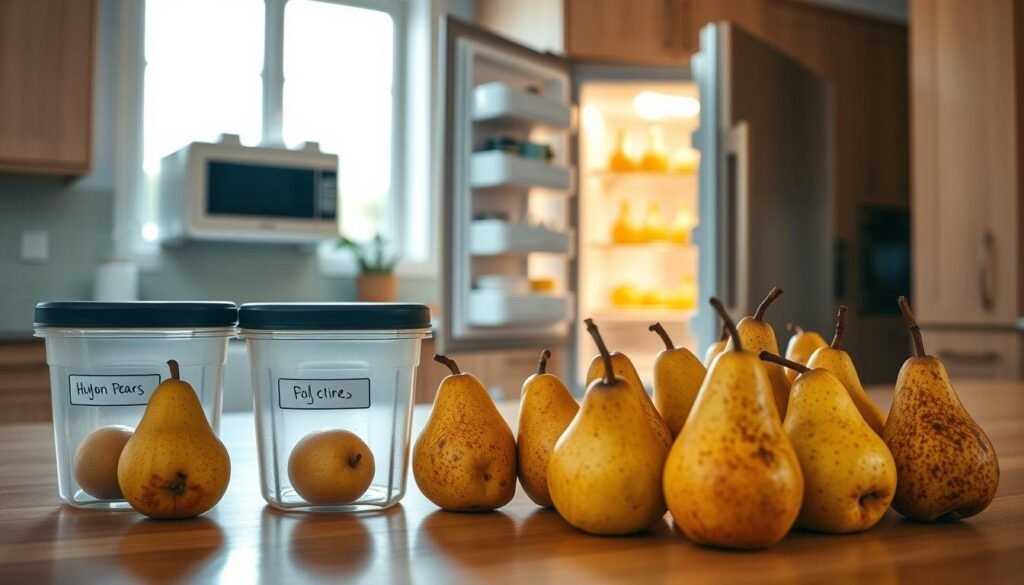
If you plan to consume your pears within a few days, storing them at room temperature is acceptable. Keep them away from direct sunlight and heat sources. Check on them regularly, as pears can ripen quickly at room temperature. Once a pear ripens, it’s best to consume it or move it to the refrigerator to prolong its freshness.
By following these storage tips, you can enjoy your pears for a longer period while maintaining their quality and preventing internal browning.
Creative Ways to Use Pears with Brown Spots
Using pears with brown spots is a great way to reduce food waste. You can still enjoy their flavor and nutritional benefits in various dishes. From baked goods to savory meals, there are plenty of ways to incorporate imperfect pears into your cooking.
One of the simplest ways to use pears with brown spots is to bake them into pies, crisps, or cakes. The heat from baking will soften the pears and mask any texture issues caused by the brown spots. You can also make a delicious pear sauce or butter to use as a topping for yogurt or ice cream.
In addition to baking, you can use pears with brown spots in savory dishes. They can be chopped and added to salads, or sautéed with onions and garlic as a side dish. Pears can also be poached and served as a topping for pork or game meats, adding a sweet and tangy flavor.
Here’s a quick look at some creative ways to use pears with brown spots:
| Recipe | Description | Benefits |
|---|---|---|
| Pear Pie | A classic dessert made with imperfect pears, sugar, and spices. | Easy to make, great for using multiple pears. |
| Pear Sauce | Cooked pears blended into a smooth sauce, perfect for topping yogurt or ice cream. | Simple, versatile, and delicious. |
| Sautéed Pears | Pears cooked with onions and garlic, served as a side dish. | Quick, flavorful, and pairs well with many main courses. |
By getting creative with pears that have brown spots, you can reduce food waste and enjoy delicious meals and snacks. So next time you’re about to toss a pear, consider one of these ideas instead.
When to Definitely Discard Pears
It’s crucial to know when a pear is no longer good to eat. Some brown spots might be okay, but other signs mean it’s time to throw it away.
Here are key signs that a pear has gone bad:
- Mold or fungus growing on the surface
- A strong, unpleasant odor
- Soft, mushy, or slimy texture
- Significant leakage or oozing
Check your pears often for these signs. If you see any, it’s safer to throw the pear away.
| Signs of Spoilage | Description | Action |
|---|---|---|
| Mold or Fungus | Visible growth on the surface | Discard |
| Unpleasant Odor | Strong, sour smell | Discard |
| Soft or Mushy Texture | Pear feels soft or mushy to the touch | Discard |
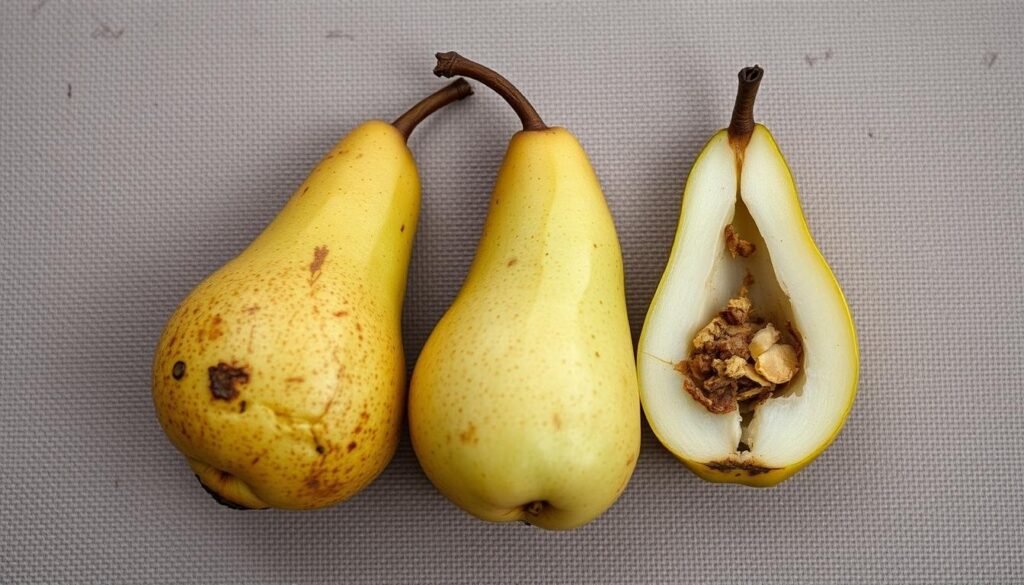
Regular inspection is key to avoiding spoiled pears. By knowing the signs of spoilage, you can enjoy your pears while they’re fresh and safe.
Selecting Quality Pears at the Store
Choosing quality pears is simpler when you know what to look for. When picking pears, consider a few key factors. This ensures you get the best ones.
First, check for pears without bruises or blemishes. The skin should be smooth and slightly shiny. Color can show if a pear is ripe, but it depends on the type. Some stay green, while others turn yellow or red.
| Pear Quality Indicators | Description | What to Look For |
|---|---|---|
| Skin Condition | Smooth, bruise-free | Avoid pears with visible bruises or soft spots |
| Color | Varies by variety | Check for color changes indicative of ripeness |
| Firmness | Slightly yielding to pressure | A ripe pear will be slightly soft to the touch |
By focusing on these signs, you can pick the top pears at the store.
Conclusion
Now you know more about eating pears with brown spots. You can make better choices about the fruit you buy. Some browning is okay, but other times it means there’s a bigger problem.
When you’re deciding if you should eat a pear with brown spots, think about a few things. Look at how much the pear is browned, what kind of pear it is, and how it’s been stored. This way, you can enjoy your pears safely and avoid bad ones.
In the end, a little browning on a pear isn’t always a big deal. But, it’s important to check your fruit carefully. This way, you can enjoy the good taste and health benefits of pears without worry.
FAQ
What causes brown spots inside pears?
Brown spots inside pears can come from many things. This includes the environment, how we handle them, and the type of pear. Damage and diseases can also cause browning.
Are pears with brown spots safe to eat?
Pears with brown spots are usually safe if the browning is just from oxidation. But, if you see mold, slime, or a bad smell, throw it away.
How can I identify if a pear is unsafe to eat?
Look for big browning or black spots. Also, check the core and seeds for mold. If unsure, it’s safer to throw it away.
Can brown spots in pears affect their nutritional value?
Brown spots can lower the nutrients in pears. But, how much depends on the browning’s cause and extent.
How can I prevent internal browning in pears?
Store pears right, either in the fridge or at room temperature. Be gentle when handling them. Eat them within a few days.
Can I still use pears with brown spots in recipes?
Yes, you can use pears with brown spots in recipes. They work well in cooked dishes like pies or sauces. The heat can hide any texture or flavor changes.
How do I select high-quality pears at the store?
Choose pears with a sweet smell, firm feel, and bright color. Stay away from damaged or rotten pears.
Are some pear varieties more prone to browning than others?
Yes, some pears brown more than others. Bartlett pears tend to brown more, while Anjou pears brown less.
Can seasonal or regional factors influence pear quality?
Yes, the season and region can change pear quality. Weather, soil, and farming methods can affect taste, texture, and look.

Hello, I am Bellamy George, a certified nutritionist and food safety specialist from Springfield, IL. With a degree in Food Science, I share research-backed insights on edible foods, seeds, and seafood for safe, informed eating.