
Last updated on September 13th, 2025 at 11:24 am
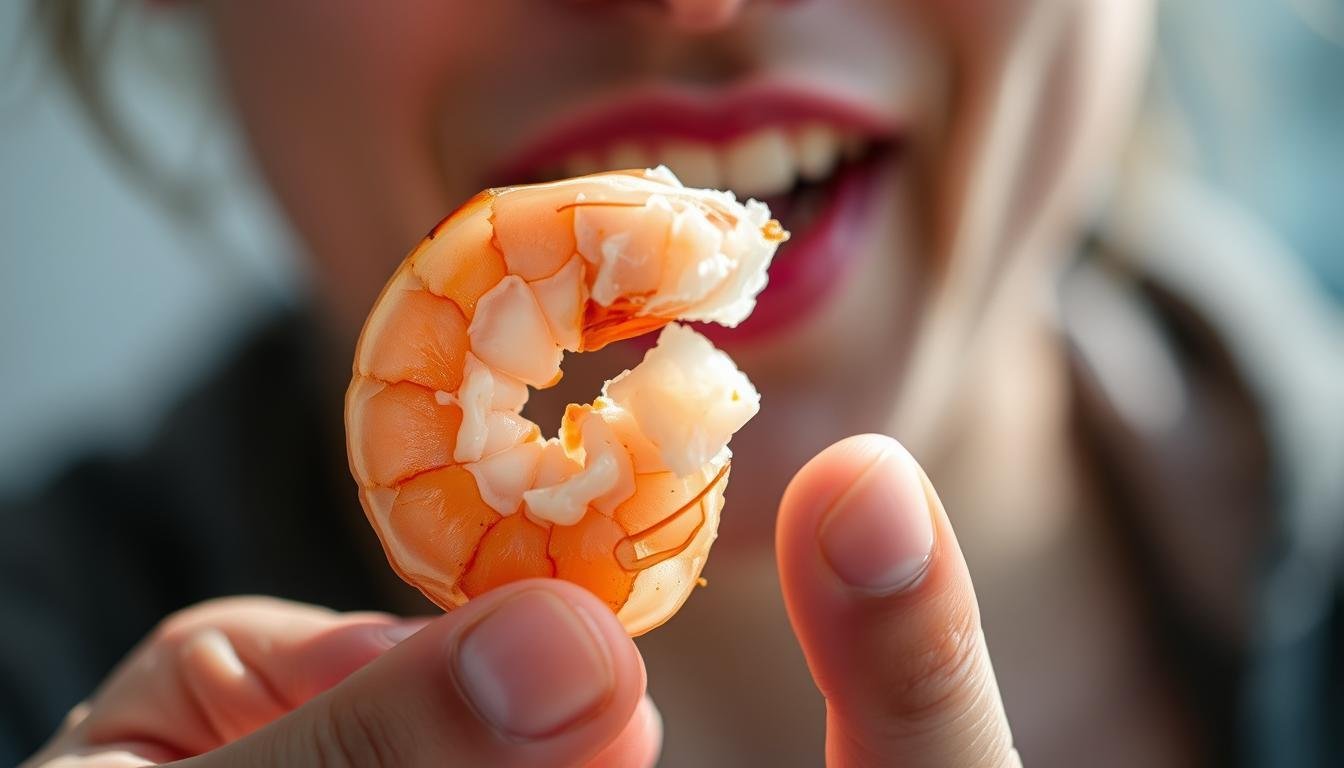
Have you ever thought about eating shrimp shells? They might offer some health benefits. It’s important to know if they are safe and nutritious.
In some cultures, people eat shrimp shells for their health perks. These shells are packed with nutrients and are used in many dishes. Before adding them to your meals, it’s good to understand the benefits and risks.
This article will cover the main points about shrimp shell consumption. It aims to help you make smart choices about what you eat.
Contents
- 1 The Composition of Shrimp Shells
- 2 Is It Safe to Eat Shrimp Shells?
- 3 Potential Health Benefits of Consuming Shrimp Shells
- 4 Possible Risks and Concerns
- 5 How to Prepare and Consume Shrimp Shells
- 6 Cultural Perspectives on Eating Shrimp Shells
- 7 Conclusion
- 8 FAQ
- 8.1 Are shrimp shells safe to eat?
- 8.2 What are the potential health benefits of consuming shrimp shells?
- 8.3 How can I prepare shrimp shells for consumption?
- 8.4 Are there any environmental concerns related to eating shrimp shells?
- 8.5 Can eating shrimp shells cause allergic reactions?
- 8.6 Are there age-related considerations for eating shrimp shells?
- 8.7 How do different cultures view eating shrimp shells?
- 8.8 Can shrimp shells be used in any specific recipes?
The Composition of Shrimp Shells
Shrimp shells are made up of many compounds. These compounds help the shell stay strong and protect the shrimp. They are key to the shell’s durability and function.
Chitin and calcium are two main parts of shrimp shells. Chitin gives the shell flexibility and strength. Calcium makes it hard. Together, they create a strong defense for the shrimp.
Other Compounds Present
Shrimp shells also have proteins, pigments, and minerals. These add to the shell’s color, texture, and nutritional value. They make the shells a good source of nutrients and materials.
Knowing what shrimp shells are made of helps us see their value. It opens up new ways to use them in food, nutrition, and more.
Is It Safe to Eat Shrimp Shells?
Shrimp shells are often thrown away, but are they safe to eat? Eating shrimp shells is part of some cooking traditions. Yet, it’s key to think about the possible dangers and concerns.
Medical Conditions That May Be Affected
Some health issues might be affected by eating shrimp shells. For example, people with shellfish allergies should not eat them because they can cause allergic reactions. Also, those with digestive problems like irritable bowel syndrome (IBS) might feel uncomfortable because of the shells’ high chitin content.
| Medical Condition | Potential Risk |
|---|---|
| Shellfish Allergy | Allergic Reaction |
| Irritable Bowel Syndrome (IBS) | Digestive Discomfort |
Age-Related Considerations
Age is also important when thinking about eating shrimp shells. Children and older adults might face choking hazards or digestive problems because of the shells’ texture and makeup. It’s important for caregivers and people in these age groups to be careful.
In summary, while shrimp shells can be eaten, it’s important to know the risks. This is especially true for people with certain health issues or who are older. By understanding these points, you can decide wisely about adding shrimp shells to your meals.
Potential Health Benefits of Consuming Shrimp Shells
Shrimp shells are packed with nutrients that can boost your health. They contain compounds that are good for you.
Impact on Cholesterol Levels
Eating shrimp shells can help manage cholesterol levels. They have fiber and other nutrients that are good for your heart.
| Nutrient | Benefit |
|---|---|
| Chitosan | May help lower cholesterol |
| Calcium | Supports bone health |
| Protein | Aids in muscle repair |
Potential Anti-inflammatory Effects
Shrimp shells have compounds that may fight inflammation. This could help people with arthritis or other inflammatory diseases.
Adding shrimp shells to your meals can bring these health perks. But, make sure to cook them right to get the most benefits.
Possible Risks and Concerns
Eating shrimp shells might not be as safe as you think. They could offer some good nutrients, but there are risks you should know about.
Environmental Pollutants in Shells
Shrimp shells can pick up environmental pollutants like heavy metals and pesticides. These can be bad for your health if you eat them. It’s important to get shrimp from places with strong environmental rules to avoid these problems.
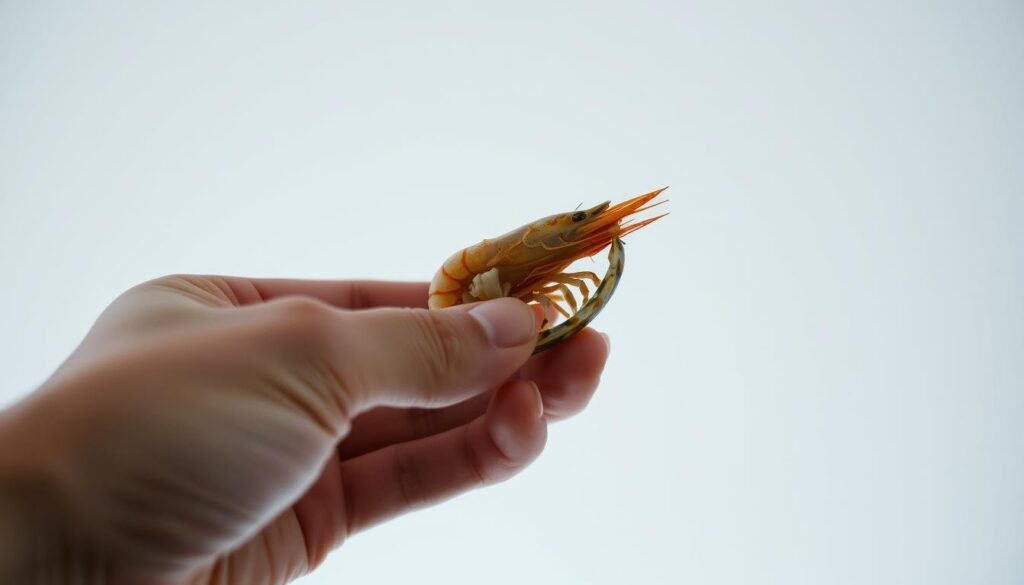
If you’re allergic to shellfish, eating shrimp shells could be risky. The proteins in shrimp shells might cause allergic reactions like those from other shellfish. If you have a shellfish allergy, talk to a doctor before eating shrimp shells.
Knowing about these risks can help you make better choices about eating shrimp shells. Always think about the benefits and risks, and consider your own health.
How to Prepare and Consume Shrimp Shells
Shrimp shells can be a nutritious addition to your meals. They can be prepared in different ways to enhance both nutrition and flavor. This makes your dishes more enjoyable.
Deep Frying Techniques
Deep frying is a popular method. First, clean and dry the shrimp shells. Then, fry them in hot oil until they’re crispy. Season with your favorite spices for extra taste. This turns them into a crunchy snack.
Grinding and Powder Methods
Grinding shrimp shells into a fine powder is another option. Use a spice grinder or mortar and pestle for this. The powder can be used as a seasoning or in soups and sauces. Here are some tips for grinding:
- Ensure the shells are completely dry before grinding.
- Sift the powder to remove any lumps.
- Store the powder in an airtight container.
In many Asian cuisines, shrimp shells make flavorful broths. Just simmer them in water with ginger and garlic. Then, strain the broth for soups or noodle dishes.
Western Adaptations
In Western cooking, shrimp shells make a delicious stock. Roast the shells with vegetables, then simmer them in water. This creates a rich, flavorful stock. Use it as a base for soups and sauces.
By using these methods, you can reduce food waste. You also add unique flavors to your meals.
Cultural Perspectives on Eating Shrimp Shells
People around the world have different views on eating shrimp shells. In some places, they are seen as a tasty treat. For example, in some Asian dishes, they add flavor to broths or are fried for a crunchy snack.
But, in other cultures, they are thrown away because of their texture or safety. The table below shows how different cultures see shrimp shell eating.
| Culture | Practice | Reason |
|---|---|---|
| Certain Asian cultures | Consume shrimp shells | Nutritional benefits and flavor |
| Western cultures | Generally discard shrimp shells | Texture and safety concerns |
| Latin American cultures | Use in soups and stews | Flavor enhancement |
Learning about these views can make you appreciate the diversity in food traditions worldwide.
Conclusion
Exploring the idea of eating shrimp shells shows it’s a choice with both good and bad sides. Whether it’s safe depends on how you prepare them and how your body reacts.
Shrimp shells can add good stuff to your diet if done right. But, you should know about possible allergens and harmful things that might be in them.
In the end, eating shrimp shells can be okay if you do it carefully. Knowing what’s in them and what might happen can help you decide if they’re right for you.
FAQ
Are shrimp shells safe to eat?
Generally, shrimp shells are safe to eat. But, if you have health issues or allergies, talk to a doctor first.
What are the potential health benefits of consuming shrimp shells?
Eating shrimp shells might help with cholesterol levels. They could also have anti-inflammatory effects because of chitin and other compounds.
How can I prepare shrimp shells for consumption?
You can fry shrimp shells, grind them into powder, or add them to recipes. They work well in both Asian and Western dishes.
Yes, shrimp shells might have pollutants. So, choose them from places with low pollution to stay safe.
Can eating shrimp shells cause allergic reactions?
If you’re allergic to shellfish, shrimp shells could trigger reactions. Be careful and see an allergist if you’re unsure.
Yes, older people and young kids should be careful. They might face choking hazards or digestive problems.
How do different cultures view eating shrimp shells?
Cultures vary in their views on shrimp shells. Some see them as a delicacy, while others use them in traditional dishes.
Can shrimp shells be used in any specific recipes?
Yes, shrimp shells are versatile. Use them in soups, stews, or as a crispy snack. They fit well in both Asian and Western recipes.

Hello, I am Bellamy George, a certified nutritionist and food safety specialist from Springfield, IL. With a degree in Food Science, I share research-backed insights on edible foods, seeds, and seafood for safe, informed eating.