
Last updated on September 2nd, 2025 at 11:28 am
Have you ever thought about the safety of eating beet greens? As you look for healthier food choices, it’s key to understand the risks and benefits of these leafy greens.
Beet greens, the leaves from the beetroot, are packed with nutrients. They’ve been used in many dishes for centuries. Before adding them to your meals, knowing their safety and health benefits is important.
This article will give you a detailed look at the safety of eating beet greens. We’ll also cover their nutritional value and how to safely add them to your diet.
Contents
- 1 What Are Beet Greens?
- 2 Nutritional Profile of Beet Greens
- 3 Is It Safe to Eat Beet Greens Cooked?
- 4 Health Benefits of Consuming Beet Greens
- 5 Potential Risks and Considerations
- 6 How to Prepare and Cook Beet Greens Safely
- 7 Incorporating Beet Greens into Your Diet
- 8 FAQ
- 8.1 Are beet greens safe to eat raw?
- 8.2 Can I eat beet greens if I have kidney disease?
- 8.3 How do I store beet greens to keep them fresh?
- 8.4 Can I freeze beet greens?
- 8.5 Are beet greens high in pesticides?
- 8.6 Can beet greens interact with my medications?
- 8.7 How can I incorporate beet greens into my diet?
- 8.8 Are beet greens a good source of nutrients?
What Are Beet Greens?
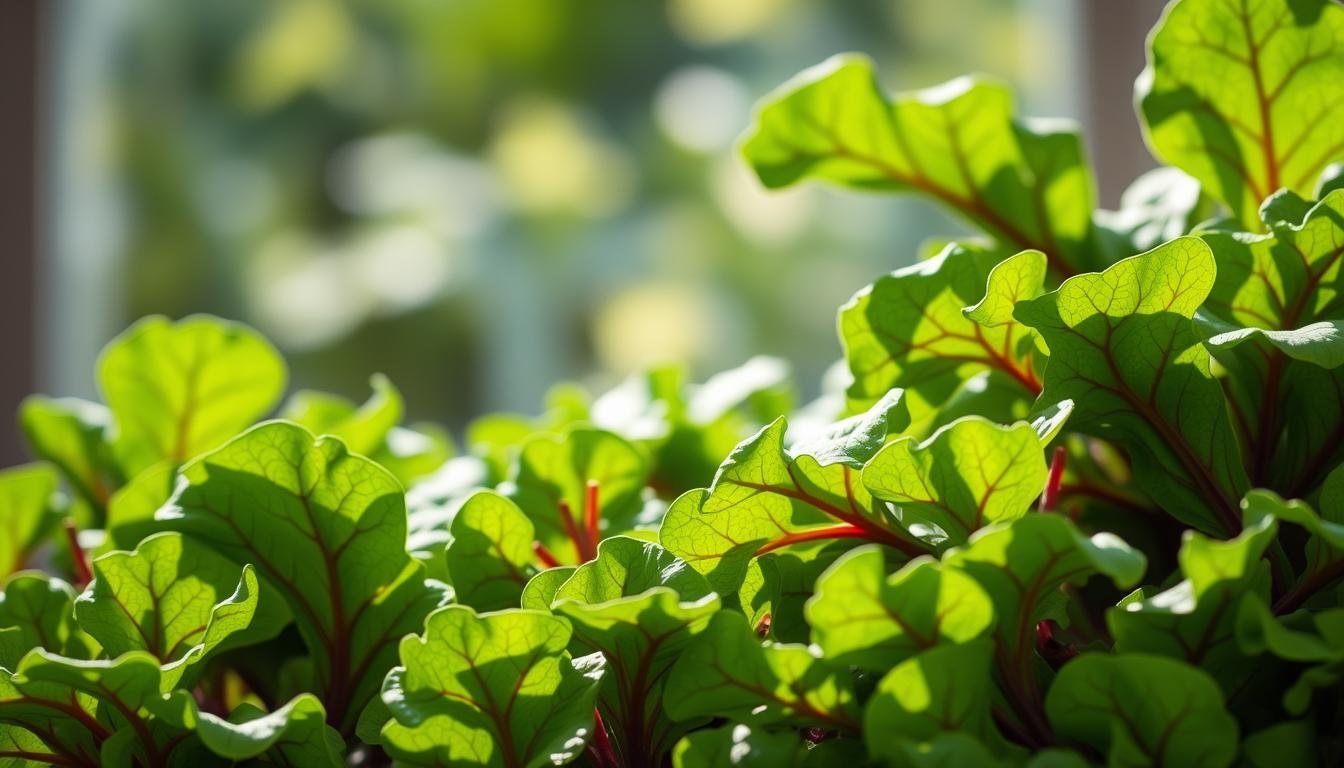
Beet greens, or beet tops, are the green leaves that grow on the beetroot. They are completely edible. You might see them at your local grocery store or farmer’s market. But you might wonder what to do with them.
Beet greens are packed with vitamins A, C, and K, and minerals like potassium and iron. They can be used in many dishes, from salads to sautéed sides. When picking beet greens, choose leaves that are bright and not wilted or yellow.
| Characteristics | Fresh Beet Greens | Old or Wilting Beet Greens |
|---|---|---|
| Color | Vibrant green | Yellow or wilted |
| Texture | Crisp and firm | Soft or slimy |
Before using your beet greens, wash them well to get rid of dirt. Then, chop them up and add them to your favorite dishes. Beet greens make your meals more nutritious and tasty.
Nutritional Profile of Beet Greens
Beet greens are packed with antioxidants and beneficial compounds. They are rich in vitamins A, C, and K, and minerals like potassium and iron. They also have a lot of dietary fiber, which aids in healthy digestion.
Betalains, found in beet greens, give them their deep red color. These antioxidants have anti-inflammatory properties. They may also help protect against certain diseases.
Betalains are being studied for their role in cancer prevention and reducing oxidative stress.
Polyphenols and Flavonoids
Beet greens also contain polyphenols and flavonoids, which are antioxidants. These compounds protect your cells from damage. Eating foods like beet greens can help keep you healthy.
Adding beet greens to your meals is a great way to boost your nutrition. You can sauté, steam, or add them to salads. They make any meal more nutritious and delicious.
Is It Safe to Eat Beet Greens Cooked?
To safely eat beet greens, knowing how to cook them is key. Cooking makes them taste better and keeps their nutrients. There are many ways to cook beet greens, each with its own perks.
Blanching Techniques
Blanching is a simple and effective way to cook beet greens. It involves briefly boiling them, then cooling them down quickly in an ice bath. This keeps their color and nutrients bright. To blanch, boil water, add greens, and cook for 30 seconds to 1 minute. Then, cool them in an ice bath.
Sautéing and steaming are also great ways to cook beet greens. Sautéing cooks them quickly in oil or butter, adding flavor. Steaming is gentler, keeping more nutrients in. To steam, place greens in a steamer basket over boiling water, cover, and cook until tender.
Using these cooking methods makes beet greens safe and tasty for your meals. The right cooking technique boosts their nutritional value and reduces risks.
Health Benefits of Consuming Beet Greens
Beet greens are not just tasty; they’re full of nutrients. They offer many health benefits. Adding beet greens to your meals can greatly improve your health.
The nutrients in beet greens help in several ways:
- Rich in antioxidants, which protect cells from damage.
- High in fiber, supporting digestive health.
- Packed with vitamins A, C, and K, and minerals like potassium and magnesium, contributing to overall well-being.
Beet greens are good for your heart. They help lower blood pressure because of their nitrates. The antioxidants and anti-inflammatory compounds in beet greens may also lower the risk of certain diseases.
Eating beet greens is great for improving your nutrition. They’re versatile and can be used in many dishes, like salads, soups, and sautéed meals.
Some key benefits of eating beet greens include:
- Supporting eye health with vitamin A.
- Boosting immune function with vitamin C.
- Aiding in blood clotting with vitamin K.
By adding beet greens to your diet, you can enjoy these benefits. It’s a simple way to make your meals more nutritious.
Potential Risks and Considerations
Beet greens are good for you, but there are some risks to know. Being informed helps you enjoy their health benefits.
If you have kidney problems, be careful with beet greens. They have a lot of oxalates, which can lead to kidney stones. It’s essential to consult with your healthcare provider to see how they affect your condition.
Medication Interactions
Beet greens have a lot of vitamin K. This can affect blood-thinning medicines like warfarin. If you take these medicines, eating the same amount of vitamin K foods is important. Talk to your doctor about your diet to stay safe.
Knowing these risks lets you enjoy beet greens safely. Always think about your health and talk to a doctor if you’re not sure.
How to Prepare and Cook Beet Greens Safely
To cook beet greens safely, follow a few easy steps. First, wash the greens well to get rid of dirt. Then, take off the stems and cut the leaves into pieces you can handle.
Beet greens can be cooked in many ways, making them great for lots of dishes. You can sauté them with garlic and olive oil for a simple side. Or, add them to soups and stews for more nutrition.
Mediterranean-Style Sautéed Beet Greens
For a Mediterranean-style sauté, heat olive oil in a pan. Add minced garlic, then the chopped beet greens. Season with salt, pepper, and a squeeze of lemon juice. This way, you get the greens’ natural flavors.
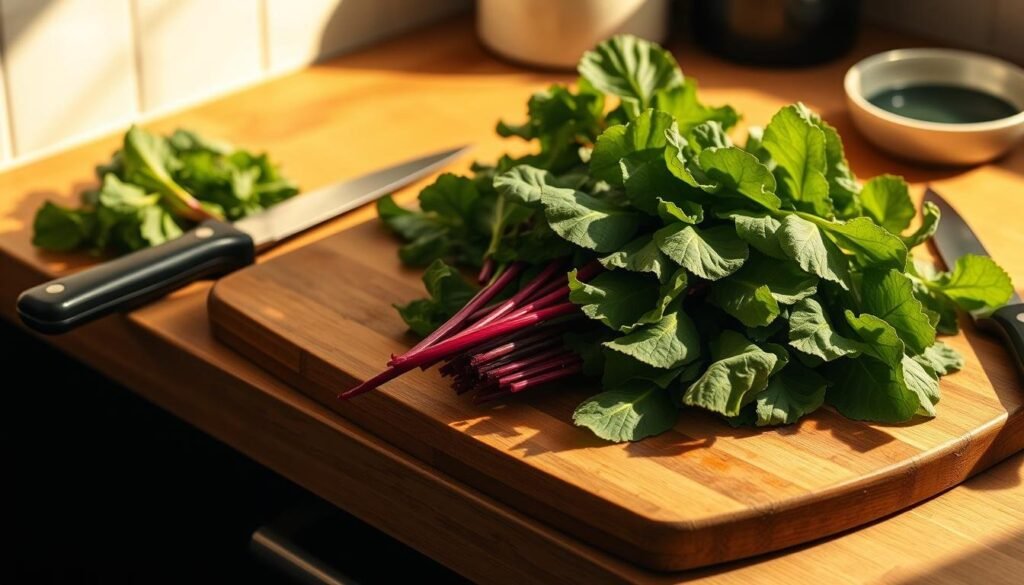
Beet greens are also tasty in a hearty soup. Mix them with canned beans, diced veggies, and your favorite broth for a nutritious meal. Just sauté the veggies, add the rest, and simmer until the flavors mix well.
By following these simple recipes, you can enjoy beet greens in many dishes. Whether sautéed or in a soup, cooking beet greens adds nutrition to your meals.
Incorporating Beet Greens into Your Diet
Beet greens are not only safe to eat but also full of nutrients. They are rich in vitamins A, C, and K, and minerals like potassium and iron. To eat them safely, make sure to prepare and cook them properly.
Cooking beet greens lets you enjoy their health benefits while avoiding harmful contaminants. They offer a lot of nutritional value and health perks. Adding beet greens to your meals can boost your health and wellbeing.
Try adding beet greens to salads, soups, or sautés to see the benefits. Exploring beet greens will introduce a tasty and healthy element to your cooking.
FAQ
Are beet greens safe to eat raw?
Beet greens are safe to eat raw if you wash them well. This removes dirt and contaminants. Some people cook them to avoid oxalate toxicity.
Can I eat beet greens if I have kidney disease?
If you have kidney disease, talk to your doctor first. Beet greens have a lot of oxalates. These can be bad for people with kidney problems.
How do I store beet greens to keep them fresh?
Store beet greens in a sealed container or plastic bag in the fridge. They’ll stay fresh for a few days.
Can I freeze beet greens?
Yes, you can freeze beet greens. First, blanch them to stop enzymes that cause spoilage. Then, chop and freeze in airtight containers or bags.
Are beet greens high in pesticides?
Beet greens might have pesticides if not grown organically. Choose organic or locally grown to reduce pesticide exposure.
Can beet greens interact with my medications?
Beet greens have a lot of vitamin K. This can affect blood thinners like warfarin. Always check with your doctor or dietitian before eating them.
How can I incorporate beet greens into my diet?
Add beet greens to salads, sauté with garlic, or blend into soups and smoothies. They’re great in many dishes, from Mediterranean sautés to hearty soups.
Are beet greens a good source of nutrients?
Yes, beet greens are packed with vitamins A, C, and K, and minerals like potassium and iron. They also have antioxidants and other health benefits.

Hello, I am Bellamy George, a certified nutritionist and food safety specialist from Springfield, IL. With a degree in Food Science, I share research-backed insights on edible foods, seeds, and seafood for safe, informed eating.