
Last updated on September 2nd, 2025 at 11:28 am
Have you ever thought about eating kale stems? They are often ignored but can be very good for you. They are full of fiber and vitamins, making them a great addition to your diet.
Adding the parts of kale that are usually thrown away can make your food healthier. Learning about edible kale parts helps you use this superfood better.
Exploring kale stems can also help you waste less food and try new recipes. This introduction will guide you through the health and cooking benefits of kale stems.
Contents
What Are Kale Stems?
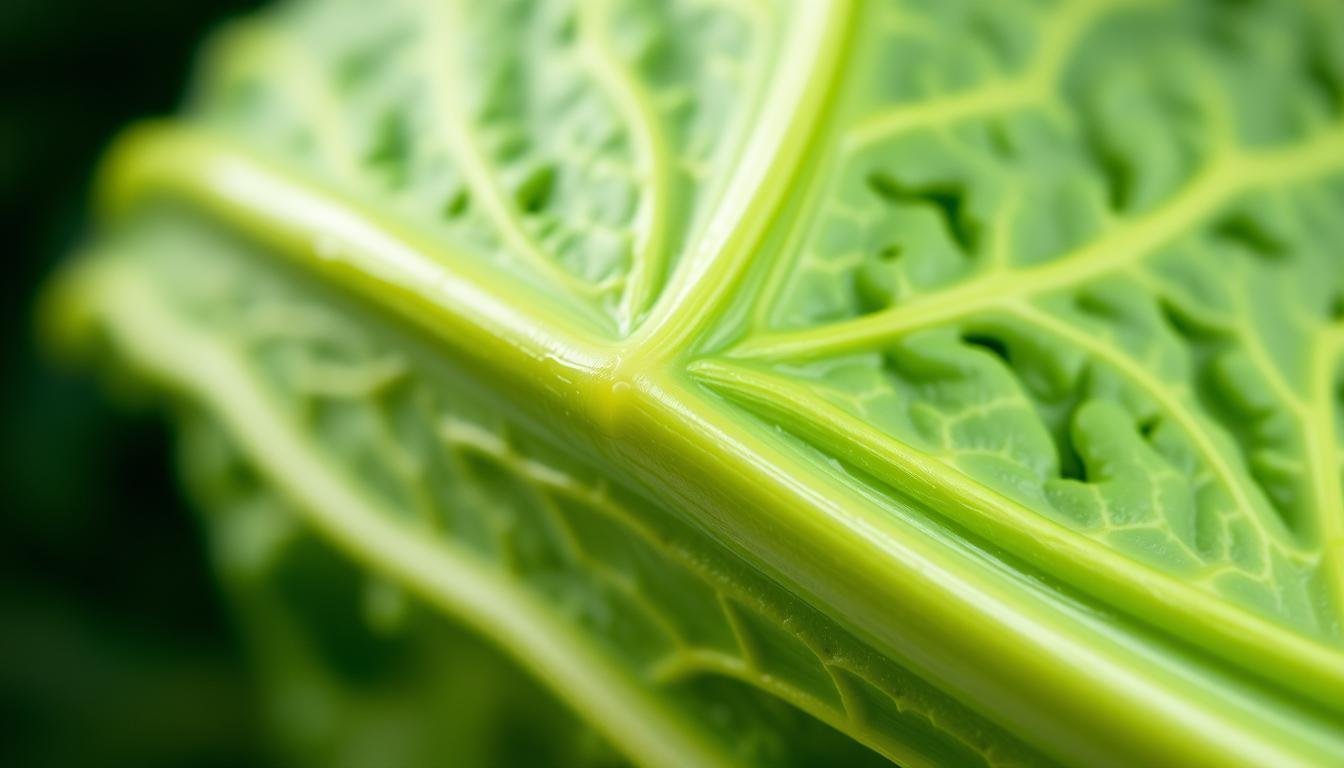
Kale stems are often thrown away but are actually very nutritious. They are the stalks that hold up the leaves. They help the leaves get the nutrients and water they need.
Knowing about kale anatomy helps us see how valuable its stems are. The stem connects the leaves to the roots. It helps move important nutrients around.
The stems are stiffer than the leaves and might need different cooking methods. But they’re packed with fiber, vitamins, and minerals. This makes them a big part of the kale health benefits.
Adding kale stems to your meals can boost their nutritional value. It makes your food more healthy and full of goodness.
Are Kale Stems Edible and Healthy?
Kale stems are not just edible; they’re also full of nutrients. Many people love kale for its leaves, but the stems are also nutritious. They’re a great addition to your meals.
Kale stems can be eaten raw or cooked. They taste slightly bitter and are crunchy. This makes them perfect for salads, soups, and stir-fries.The key is to prepare them properly to bring out their natural sweetness.
Safety and Precautions
When eating kale stems, it’s important to be careful. First, wash them well to get rid of dirt and pesticides. You can also peel them to remove tough parts. Cooking them can make them softer and easier to eat.
Cooking kale stems right is key to safety. Boiling or steaming keeps their nutrients. But, don’t overcook them to avoid losing vitamins and minerals. Sautéing or stir-frying with your favorite ingredients adds flavor and texture.
Adding kale stems to your meals is good for you and helps reduce waste. So, next time you’re cooking kale, don’t forget the stems. They’re tasty, healthy, and good for you!
Nutritional Comparison: Stems vs. Leaves
Kale stems and leaves are both good to eat and full of nutrients. But, they have different nutritional profiles. Knowing these differences can help you use kale to its fullest in your meals.
Kale leaves are packed with vitamins A, C, and K, and minerals like calcium and iron. Kale stems also have these nutrients but are higher in fiber.
Here are some key nutritional differences between kale stems and leaves:
- Kale leaves have higher concentrations of vitamins A, C, and K.
- Kale stems contain more fiber, making them beneficial for digestive health.
- Both parts are rich in antioxidants, though the types and amounts may vary.
| Nutrient | Kale Leaves | Kale Stems |
|---|---|---|
| Vitamin A | High | Moderate |
| Fiber | Moderate | High |
| Antioxidants | High | High |
Eating both kale stems and leaves can give you a wide range of health benefits. They share some similarities but also have differences that can work well together.
Health Benefits of Eating Kale Stems
Adding kale stems to your meals can boost your nutrition. They are packed with nutrients and offer many health benefits. Including them in your diet can make a big difference.
Kale stems are great for your digestive health because of their high fiber content. Fiber helps keep your gut healthy and prevents constipation. They also contain antioxidants and anti-inflammatory compounds. These can protect against heart disease, diabetes, and some cancers.
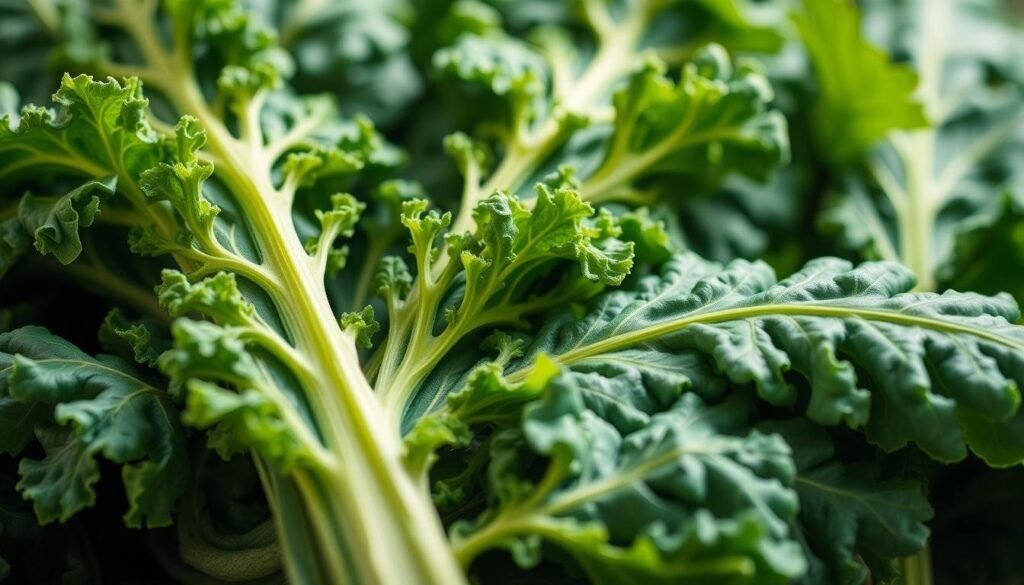
Kale stems also support your immune system. They are full of vitamins C and K, and minerals like calcium and potassium. Vitamin C boosts your immune function, and vitamin K is good for your bones. Calcium keeps bones strong, and potassium helps control blood pressure.
Nutritional Highlights of Kale Stems
| Nutrient | Benefit | Daily Value (%) |
|---|---|---|
| Fiber | Supports digestive health | 10% |
| Vitamin C | Boosts immune function | 50% |
| Calcium | Essential for bone health | 6% |
Adding kale stems to your diet is a simple way to improve your health. They are rich in nutrients and offer many health benefits. They are a great addition to a healthy eating plan.
How to Prepare Kale Stems for Cooking
To cook kale stems, start by preparing them right. This brings out their flavor and texture. Cleaning, chopping, and tenderizing are key steps.
First, clean the kale stems well. Rinse them under cold water to get rid of dirt. Soaking them in cold water can help if they’re really dirty.
Then, chop the stems into pieces you can handle. You might slice them thinly or chop them up. Tenderizing the stems is crucial for making them tasty. You can do this by sautéing them briefly or by massaging them with oil and salt.
Here’s a simple guide to tenderizing kale stems:
- Slice or chop the stems as desired.
- Massage with olive oil and salt for 2-3 minutes.
- Sauté in a pan for 2-3 minutes until they start to soften.
| Preparation Step | Description | Tips |
|---|---|---|
| Cleaning | Rinse under cold water or soak. | Use a bowl of cold water for soaking. |
| Chopping | Slice or chop into desired sizes. | Uniform pieces ensure even cooking. |
| Tenderizing | Massage or sauté briefly. | Use olive oil and salt for massaging. |
By following these steps, you can make kale stems that are tasty and healthy. Add them to soups, stews, or salads to boost your meals.
Delicious Ways to Cook Kale Stems
Explore the tasty side of kale stems in your kitchen. They’re a versatile ingredient for healthy, creative meals.
Start by sautéing kale stems with olive oil, garlic, and spices. This brings out their sweetness. For deeper flavor, braise them in a broth with herbs and spices.
Simple Kale Stem Recipes
For a quick side dish, toss chopped kale stems with olive oil, salt, and pepper. Roast them in the oven until tender. They’re great in soups, stews, and casseroles too.
Chop kale stems for stir-fries. Sauté them with veggies and seasonings. Find your favorite cooking method to enjoy them.
Try different cooking methods to find your favorite kale stem recipe. They add nutrition and flavor to any meal.
Who Can Benefit Most from Eating Kale Stems
Kale stems are not just good to eat; they’re also full of nutrients. These nutrients are great for certain groups. Adding them to your meals can be very beneficial.
Some groups can really gain from eating kale stems. These include:
- Pregnant women, who need more nutrients for their baby
- Athletes or people who are very active, needing more fiber and vitamins for recovery
- Those with digestive problems, as kale stems’ fiber can help with bowel movements
The nutritional benefits of kale stems can be summarized in the following table:
| Nutrient | Benefit | Target Group |
|---|---|---|
| Fiber | Aids digestion | Individuals with digestive issues |
| Vitamin K | Essential for bone health | Older adults |
| Antioxidants | Helps reduce inflammation | Athletes and highly active individuals |
Adding kale stems to your meals is a simple way to increase your nutrient intake. Knowing who benefits most helps you make better food choices.
Conclusion
Kale stems are not only good to eat but also full of nutrients. They are a great choice for a healthy diet. They have a similar nutritional value to kale leaves but with a different texture.
Eating kale stems can help your digestive health and boost your immune system. You now know how to prepare and cook them. This makes it easy to add them to your meals.
Adding kale stems to your meals is a big step towards being healthier. So, give them the attention they deserve. Your body will thank you for the extra nutrients and flavor.
Now that you know how good kale stems are, it’s time to get creative in the kitchen. Start enjoying the benefits of this nutritious vegetable.
FAQ
Are kale stems safe to eat?
Yes, kale stems are safe to eat if they are clean and prepared right. Make sure to remove any tough parts before eating.
How do I prepare kale stems for cooking?
First, rinse kale stems under cold water to get rid of dirt. Then, trim the ends and chop or slice them as needed. Cooking or sautéing can also make them tender.
Can I eat raw kale stems?
Eating raw kale stems is possible, but they can be tough. Cooking or sautéing makes them softer and easier to digest.
How do kale stems compare to kale leaves in terms of nutrition?
Kale stems and leaves are similar in nutrition, but stems have a bit less vitamins A, C, and K. Still, they are full of fiber, vitamins, and minerals, making them good for your diet.
Can I juice kale stems?
Yes, you can juice kale stems, but mix them with other ingredients for flavor. Kale stems are fibrous, so use a juicer or blender that can handle tough stuff.
Are kale stems suitable for everyone’s diet?
Kale stems are nutritious and safe for most people. But, those with digestive issues or high-fiber sensitivity might want to cook them well or eat them in small amounts.
Can I freeze kale stems?
Yes, you can freeze kale stems for later. Just chop or slice them, blanch in boiling water for 30 seconds, and then freeze in airtight containers or bags.

Hello, I am Bellamy George, a certified nutritionist and food safety specialist from Springfield, IL. With a degree in Food Science, I share research-backed insights on edible foods, seeds, and seafood for safe, informed eating.