
Last updated on August 31st, 2025 at 07:20 am
When it comes to cooked seafood, like shrimp, safety and quality are key. Eating cooked shrimp after 5 days depends on storage and handling.
Keeping cooked shrimp safe and fresh is all about proper storage. If stored right, it can stay good to eat. But, always check for spoilage signs before eating.
This article will help you understand cooked shrimp’s shelf life. We’ll cover how to store it and how to tell if it’s spoiled.
Contents
- 1 The Shelf Life of Cooked Shrimp
- 2 Can You Eat Cooked Shrimp After 5 Days?
- 3 How to Properly Store Cooked Shrimp
- 4 Signs Your Cooked Shrimp Has Gone Bad
- 5 Health Risks of Eating Spoiled Shrimp
- 6 Safely Enjoying Cooked Shrimp
- 7 FAQ
- 7.1 How long can you store cooked shrimp in the refrigerator?
- 7.2 Can you eat cooked shrimp after 5 days if it’s been frozen?
- 7.3 What are the signs that cooked shrimp has gone bad?
- 7.4 How should you store cooked shrimp to maximize its shelf life?
- 7.5 Can you reheat cooked shrimp?
- 7.6 What’s the risk of eating spoiled cooked shrimp?
- 7.7 How can you prevent cooked shrimp from becoming contaminated?
The Shelf Life of Cooked Shrimp
The time cooked shrimp stays safe to eat depends on several things. These include its quality before cooking and how it’s stored. Keeping food safety in mind when eating seafood is very important. This is because bad handling can cause seafood spoilage.
Initial Quality and Preparation Method
The quality of shrimp before cooking greatly affects its shelf life. Fresh shrimp, handled and stored well, will last longer than lower-quality ones. How you cook it also matters; shrimp cooked right and not overhandled will keep its quality better.
- Choose fresh, high-quality shrimp.
- Cook shrimp correctly to prevent overcooking.
- Handle cooked shrimp gently to avoid damage.
Temperature Control During Storage
Keeping the right temperature is key to keeping cooked shrimp safe and good. Cooked shrimp should be stored in the fridge at 40°F (4°C) or below within two hours of cooking. This quick action helps slow down bacteria growth, making it last longer.
By paying attention to these important points, you can make your cooked shrimp last longer. It will stay safe and tasty for more time. Always check your stored shrimp for signs of spoilage before eating, no matter how long it’s been stored.
Can You Eat Cooked Shrimp After 5 Days?
It’s safe to eat cooked shrimp after 5 days if it’s stored right. Keeping it fresh is key.
Vacuum-Sealed Storage
Vacuum-sealing is great for keeping cooked shrimp fresh longer. It stops bacteria from growing. This way, shrimp stays good for more days than usual.
Whether shrimp was bought or cooked at home affects its safety. Store-bought shrimp is often safer because it’s handled better. Home-cooked shrimp needs extra care to stay safe.
Always store cooked shrimp in a sealed container in the fridge. Keep it cold, below 40°F (4°C). This keeps it fresh and safe to eat.
How to Properly Store Cooked Shrimp
Storing cooked shrimp right is key to keeping it fresh and safe. You need to store it at the correct temperature and in the right containers.
Optimal Temperature Settings
Your fridge should be at 40°F (4°C) or colder. For the freezer, aim for 0°F (-18°C) or colder to stop bacteria from growing.
Proper Containers and Wrapping Techniques
Use airtight, shallow containers for cooked shrimp. You can also wrap it tightly in heavy-duty aluminum foil or plastic wrap. This stops moisture buildup and keeps the shrimp fresh.
Before freezing, cool the cooked shrimp completely to avoid ice crystals. Then, put it in a freezer-safe bag or container. Make sure to remove as much air as you can before sealing.
Expected Freezer Life
Cooked shrimp can stay in the freezer for up to 3 months. To thaw it, place it in the fridge overnight or thaw it quickly by soaking the container in cold water.
By following these tips, you can enjoy your cooked shrimp for longer while keeping it fresh and safe.
Signs Your Cooked Shrimp Has Gone Bad
To ensure you’re not consuming spoiled shrimp, it’s crucial to recognize the signs of spoilage.
Color Changes to Watch For
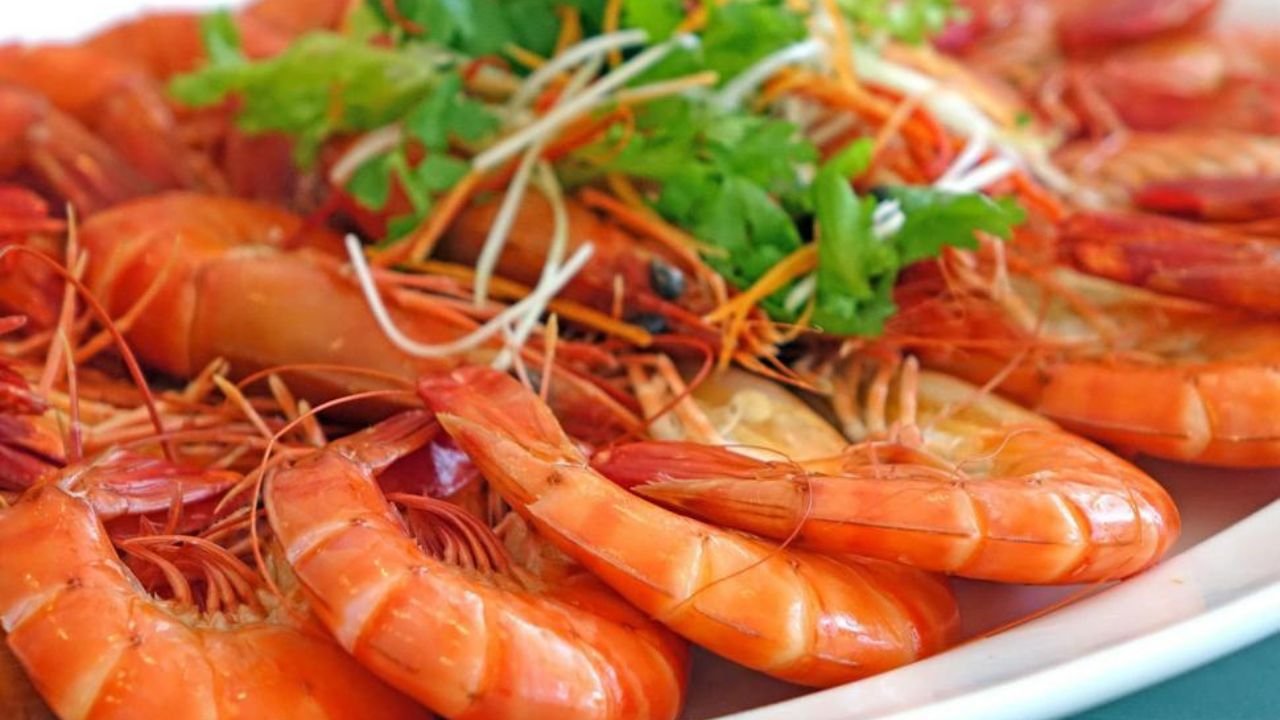
Cooked shrimp should have a vibrant pink or orange color. If you notice any discoloration, such as turning gray, black, or developing white spots, it’s a sign that the shrimp has gone bad.
Presence of Slime or Film
Fresh cooked shrimp should not have a slimy texture or a visible film on its surface. If you observe either, it’s an indication of bacterial growth.
The Ammonia or Sour Odor Test
Fresh shrimp has a mild smell. If your cooked shrimp emits a strong ammonia or sour odor, it’s likely spoiled.
Texture Deterioration Signs
Good cooked shrimp should have a firm texture. If it feels mushy, soft, or has an otherwise unusual texture, it’s best to discard it.
| Signs of Spoilage | Description |
|---|---|
| Color Changes | Discoloration, such as gray, black, or white spots |
| Slime or Film | Visible slime or film on the surface |
| Ammonia or Sour Odor | Strong, unpleasant smell |
| Texture Deterioration | Mushy, soft, or unusual texture |
Health Risks of Eating Spoiled Shrimp
Spoiled shrimp can be very harmful if eaten. They can cause foodborne illnesses from bacteria like Vibrio and Staphylococcus aureus. It’s important to know these risks to keep food safe.
Vibrio Bacteria
Vibrio bacteria are found in seafood, including shrimp. They can cause serious stomach problems.
Staphylococcus Aureus
Staphylococcus aureus can also infect shrimp, leading to food poisoning. Symptoms include vomiting and diarrhea.
Immediate vs. Delayed Reactions
Symptoms from bad shrimp can start right away or later. This depends on the bacteria and your health.
Severity Spectrum
The illness can be mild or very serious. This shows why food safety is so important.
| Bacteria | Common Symptoms | Severity |
|---|---|---|
| Vibrio | Gastrointestinal symptoms | Severe |
| Staphylococcus Aureus | Vomiting, Diarrhea | Mild to Severe |
Knowing these risks helps you make safer choices about eating shrimp. It ensures you focus on food safety.
Safely Enjoying Cooked Shrimp
Deciding if you can eat cooked shrimp after 5 days depends on how you stored it. It’s important to handle shrimp properly to keep it safe and tasty.
For safe eating, store cooked shrimp in a covered container. Keep it in the fridge at a temperature below 40°F (4°C). Watch out for signs of spoilage like bad smells, slimy texture, or mold.
By following these tips and being careful with your shrimp, you can avoid foodborne illness. So, yes, you can eat cooked shrimp after 5 days. Just make sure to handle and store it right for food safety.
FAQ
How long can you store cooked shrimp in the refrigerator?
Cooked shrimp can stay in the fridge for 3 to 4 days. It must be kept at 40°F (4°C) or colder.
Can you eat cooked shrimp after 5 days if it’s been frozen?
Frozen cooked shrimp can last months if frozen right. But, its quality might drop. Always thaw it safely and check for spoilage before eating.
What are the signs that cooked shrimp has gone bad?
Bad cooked shrimp smells like ammonia or sour milk. It might also feel slimy or look off-color. If you see these signs, throw it away.
How should you store cooked shrimp to maximize its shelf life?
Store cooked shrimp in a covered, airtight container in the fridge at 40°F (4°C) or below. Freezing is also an option. Always label the container with the date and what’s inside.
Can you reheat cooked shrimp?
Yes, you can reheat cooked shrimp. Heat it to 165°F (74°C) to keep it safe. You can use the microwave, stovetop, or oven.
What’s the risk of eating spoiled cooked shrimp?
Spoiled cooked shrimp can cause food poisoning. Bacteria like Vibrio and Staphylococcus aureus can make you sick. Symptoms include nausea, vomiting, diarrhea, and stomach pain.
How can you prevent cooked shrimp from becoming contaminated?
Keep cooked shrimp safe by storing it in a clean container. Keep it refrigerated at the right temperature. Eat it within a few days. Always check for spoilage before eating.

Hello, I am Bellamy George, a certified nutritionist and food safety specialist from Springfield, IL. With a degree in Food Science, I share research-backed insights on edible foods, seeds, and seafood for safe, informed eating.